• Key Landlord Electrical Maintenance Requirements Explained

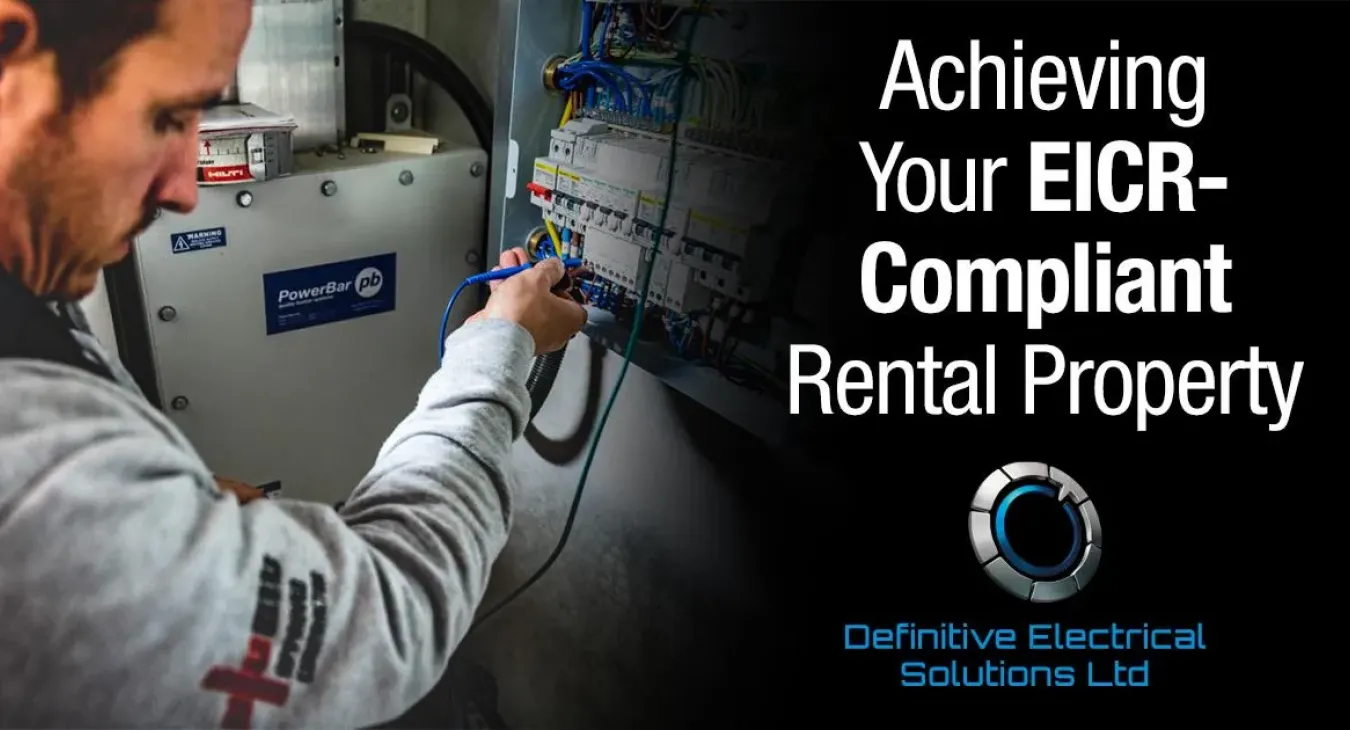
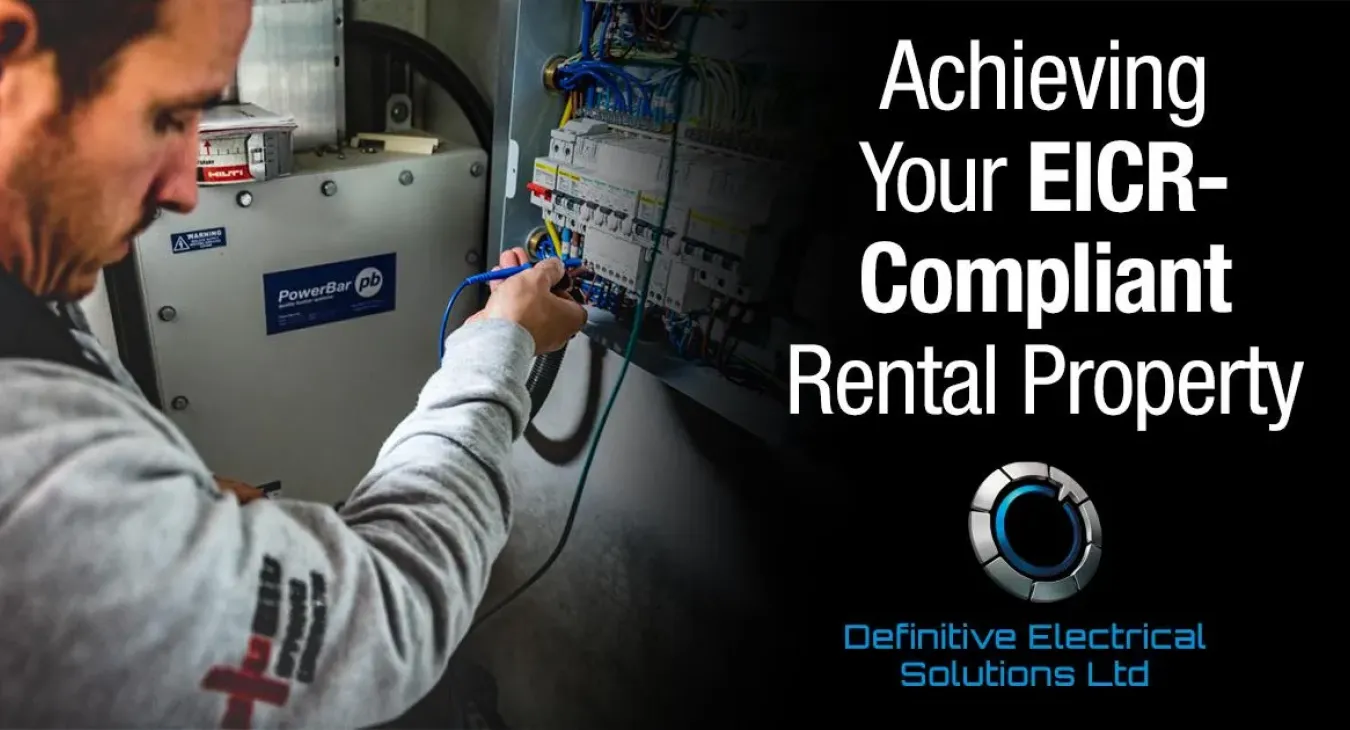
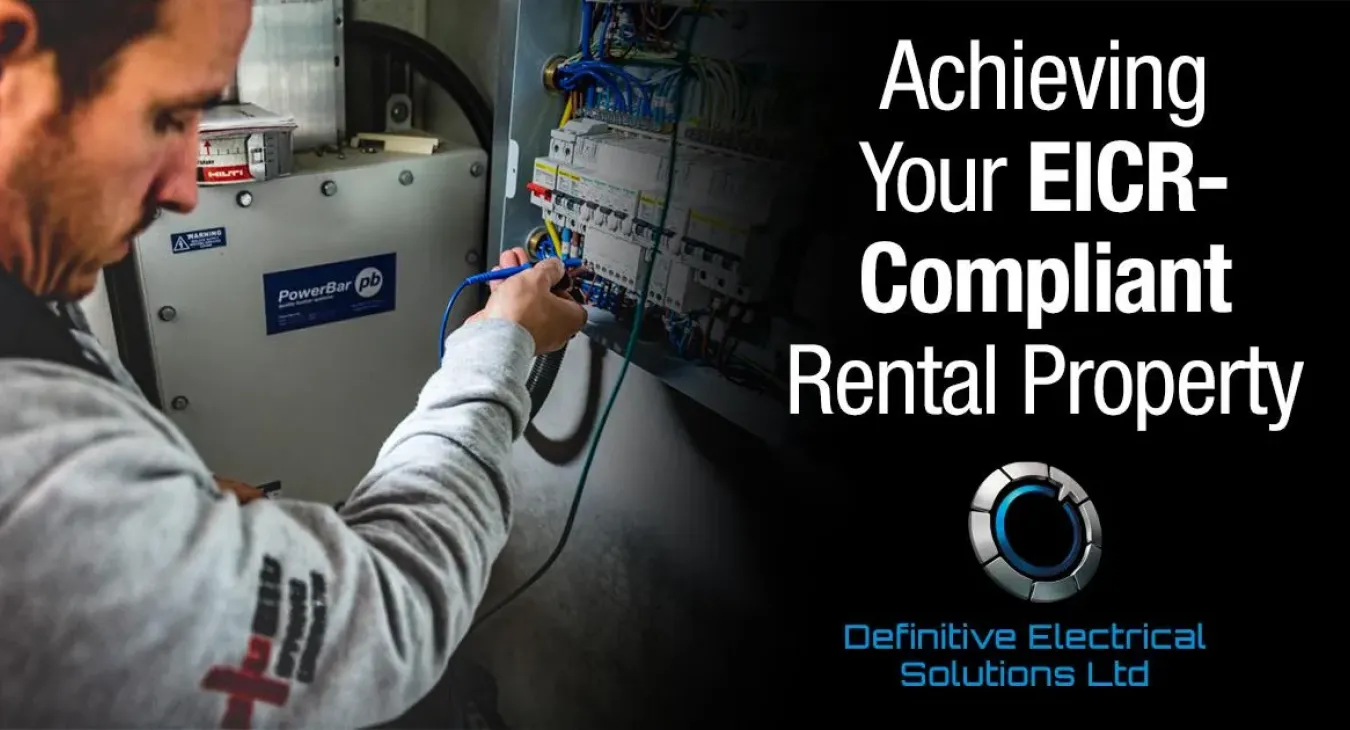
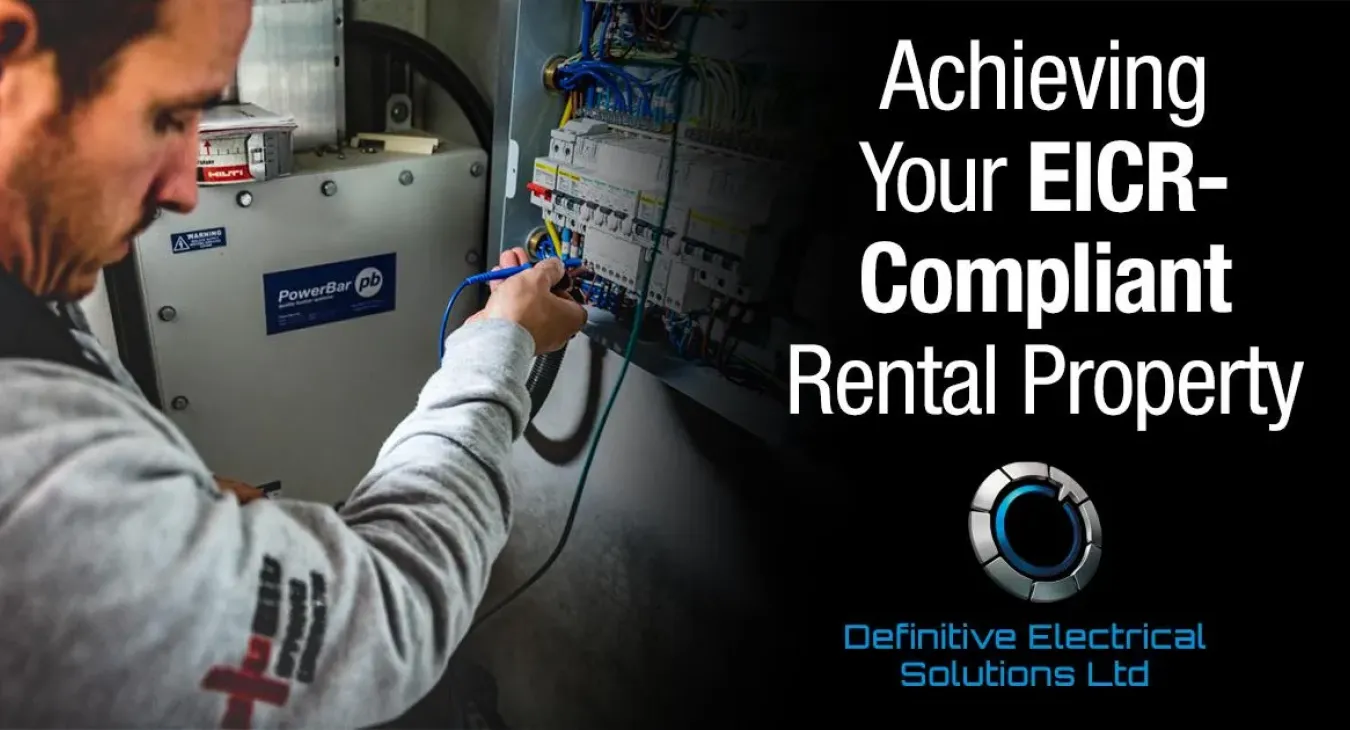
    Electrician working on electrical panel for EICR compliance.

    Landlord Electrical Safety Regulations: What Are Your Electrical Maintenance Responsibilities?

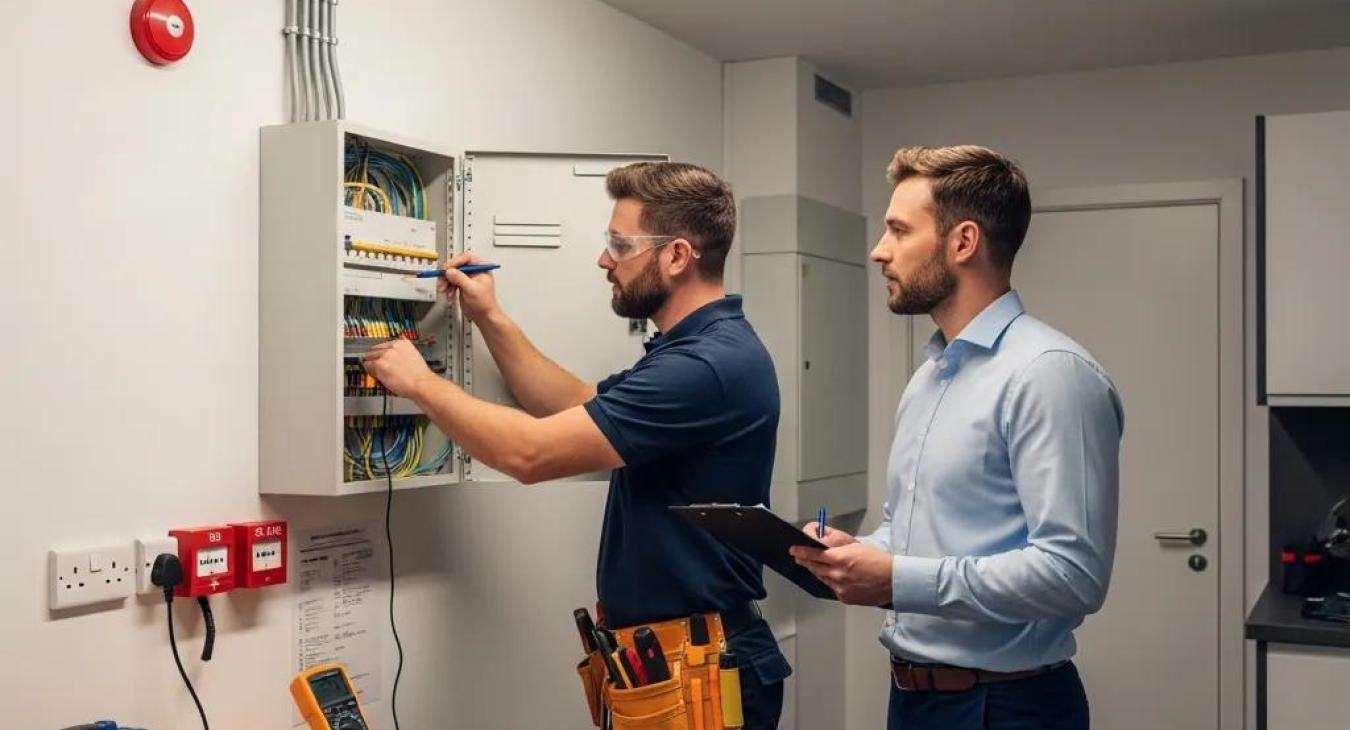
    Landlord inspecting electrical installations for safety compliance

    As a landlord, understanding your electrical maintenance responsibilities is crucial for ensuring tenant safety and compliance with legal regulations. This article delves into the essential aspects of landlord electrical maintenance, including legal inspection requirements, effective use of compliance checklists, repair responsibilities, and how to choose professional services. Many landlords may find themselves overwhelmed by the complexities of electrical safety regulations, but this guide aims to clarify these responsibilities and provide actionable insights. We will explore the legal obligations for electrical inspections, the importance of maintenance checklists, common repair issues, and tenant rights regarding electrical safety. By the end of this article, you will have a comprehensive understanding of your responsibilities and how to fulfil them effectively.

    Back to top

    Landlords in the UK are legally obligated to ensure that electrical installations in their properties are safe and well-maintained. This includes conducting regular inspections and obtaining necessary certifications to demonstrate compliance with electrical safety regulations. Failure to adhere to these requirements can result in severe penalties, including fines and potential legal action. Understanding these legal obligations is essential for maintaining a safe living environment for tenants and protecting your investment.

    The broader landscape of regulatory changes continually shapes these landlord responsibilities and the private rented sector.

    Regulatory Reform Impact on Private Rented Sector & Landlord Compliance

    1. The Department of Levelling Up, Housing and Communities (DLUHC) is piloting legislation that will reform the regulation of the private rented sector in England (the Renters (Reform) Bill, 2023). All regulatory changes have the potential to influence the operation of a market. The question is the nature and extent of those changes and the market responses they elicit. This report aims to review the evidence regarding the impacts that regulatory change in the private rental market might be expected to have on housing supply, quality, landlords’ investment/disinvestment decisions, and other important societal outcomes. The focus is on non-price regulation.

    The impact of regulatory reform on the private rented sector, K Gibb, 2020

    1.1) How Often Must Landlords Conduct Electrical Installation Condition Reports?

    Landlords must conduct Electrical Installation Condition Reports (EICRs) at least every five years or at the change of tenancy, whichever comes first. This regular inspection ensures that all electrical installations are safe and compliant with current regulations. Delays in conducting these inspections can lead to serious safety risks and legal repercussions, making it vital for landlords to schedule these assessments promptly.

    1.2) What UK Electrical Safety Regulations Must Landlords Comply With?

    Landlords must comply with several key UK electrical safety regulations, including the Electrical Safety Standards in the Private Rented Sector (England) Regulations 2020. These regulations mandate that landlords ensure their electrical installations are safe and that they provide tenants with a copy of the EICR. Non-compliance can result in significant penalties, including fines and restrictions on renting properties. Understanding these regulations is crucial for landlords to avoid legal issues and ensure tenant safety.

    Further emphasizing the legal framework, research highlights the specific requirements for these safety checks.

    Landlord Electrical Safety Checks: Requirements & Qualified Persons

    2020 regular electrical safety checks were required to be undertaken by qualified persons for all rented properties (UKL 2015a; DLUHC 2020).

    The impact of regulatory reform on the private rented sector, A Marsh, 2020
    Back to top

    2) How to Use a Landlord Electrical Compliance Checklist Effectively?

    Landlord using an electrical compliance checklist for safety inspections

    A landlord electrical compliance checklist is an invaluable tool for ensuring that all necessary safety measures are in place. By utilizing a checklist, landlords can systematically assess their properties and ensure compliance with electrical safety regulations. This proactive approach not only enhances tenant safety but also helps landlords avoid potential legal issues.

    2.1) What Key Items Should Be Included in an Electrical Maintenance Checklist?

    An effective electrical maintenance checklist should include the following key items:

    1. EICR Status: Ensure the latest Electrical Installation Condition Report is available and up to date.
    2. Visual Inspections: Regularly check for visible signs of wear or damage to electrical installations.
    3. Testing of Appliances: Verify that all electrical appliances provided to tenants are safe and regularly tested.

    Including these items in your checklist will help maintain a safe environment for tenants and ensure compliance with legal requirements.

    2.2) How Does the Checklist Help Ensure Tenant Electrical Safety?

    Using a compliance checklist significantly enhances tenant electrical safety by providing a structured approach to maintenance. It ensures that all critical safety checks are performed regularly, reducing the risk of electrical faults and hazards. Furthermore, a well-maintained checklist serves as documentation that can be invaluable in case of disputes or inspections, demonstrating the landlord's commitment to safety and compliance.

    Back to top

    3) What Are Your Landlord Electrical Repair Responsibilities?

    Electrician repairing an electrical outlet to ensure tenant safety

    Landlords have a legal obligation to ensure that electrical systems in their properties are safe and functioning correctly. This includes addressing any electrical faults promptly to prevent potential hazards. Understanding these responsibilities is essential for maintaining tenant safety and avoiding legal repercussions.

    3.1) Which Common Electrical Faults Must Landlords Address Promptly?

    Common electrical faults that landlords must address include:

    1. Flickering Lights: This may indicate faulty wiring or a failing circuit.
    2. Tripped Circuit Breakers: Frequent tripping can signal an overloaded circuit or a short circuit.
    3. Burning Smells: Any burning smell from electrical outlets or appliances should be investigated immediately.

    Addressing these issues promptly is crucial for ensuring tenant safety and maintaining compliance with electrical safety regulations.

    3.2) How to Manage Electrical Fault Repairs to Maintain Compliance?

    To effectively manage electrical fault repairs, landlords should:

    1. Document Repairs: Keep detailed records of all repairs and maintenance performed.
    2. Hire Qualified Professionals: Ensure that all electrical work is carried out by qualified electricians to meet safety standards.
    3. Communicate with Tenants: Maintain open communication with tenants regarding any repairs and safety measures being implemented.

    By following these steps, landlords can ensure that they remain compliant with regulations while providing a safe living environment for their tenants.

    Back to top

    4) How to Choose Professional Electrical Inspection and Maintenance Services?

    Selecting the right electrical inspection and maintenance services is vital for ensuring compliance and safety. Landlords should consider several factors when choosing a service provider to ensure they receive quality and reliable service.

    4.1) What Qualifications Should You Look for in an Electrical Inspector?

    When selecting an electrical inspector, landlords should look for:

    1. Certification: Ensure the inspector holds relevant qualifications and certifications, such as NICEIC or ELECSA.
    2. Experience: Choose inspectors with a proven track record in residential electrical inspections.
    3. Insurance: Verify that the inspector has adequate insurance coverage for liability.

    These qualifications are essential for ensuring that the inspection is thorough and compliant with current regulations.

    4.2) How to Evaluate Service Packages and Pricing for EICR Testing?

    When evaluating service packages for EICR testing, landlords should consider:

    1. Scope of Services: Ensure the package includes a comprehensive inspection and report.
    2. Pricing Transparency: Look for clear pricing structures without hidden fees.
    3. Customer Reviews: Check reviews and testimonials from previous clients to gauge the quality of service.

    By carefully evaluating these factors, landlords can select a service provider that meets their needs and budget while ensuring compliance with electrical safety regulations.

    Back to top

    5) What Are Tenant Electrical Safety Rights and How Do They Affect Landlord Duties?

    Tenants have specific rights regarding electrical safety that landlords must respect. Understanding these rights is crucial for maintaining a positive landlord-tenant relationship and ensuring compliance with legal obligations.

    5.1) How Does Tenant Safety Influence Landlord Electrical Maintenance?

    Tenant safety significantly influences landlord electrical maintenance practices. Landlords are legally required to ensure that all electrical installations are safe and well-maintained. This obligation extends to providing tenants with information about electrical safety and ensuring that any reported issues are addressed promptly. By prioritising tenant safety, landlords can foster a positive living environment and reduce the risk of legal disputes.

    5.2) What Communication Should Landlords Maintain with Tenants Regarding Electrical Safety?

    Effective communication regarding electrical safety is essential for landlords. Landlords should:

    1. Provide Safety Information: Share information about electrical safety practices and emergency procedures with tenants.
    2. Encourage Reporting: Encourage tenants to report any electrical issues or concerns immediately.
    3. Follow Up on Repairs: After repairs, follow up with tenants to ensure their satisfaction and address any lingering concerns.

    Maintaining open lines of communication helps build trust and ensures that tenants feel safe in their homes.

    It's also important to consider EICR tests for peace of mind and compliance in 2024.

    Back to top
  • What Every Landlord Should Know About Electrical Services

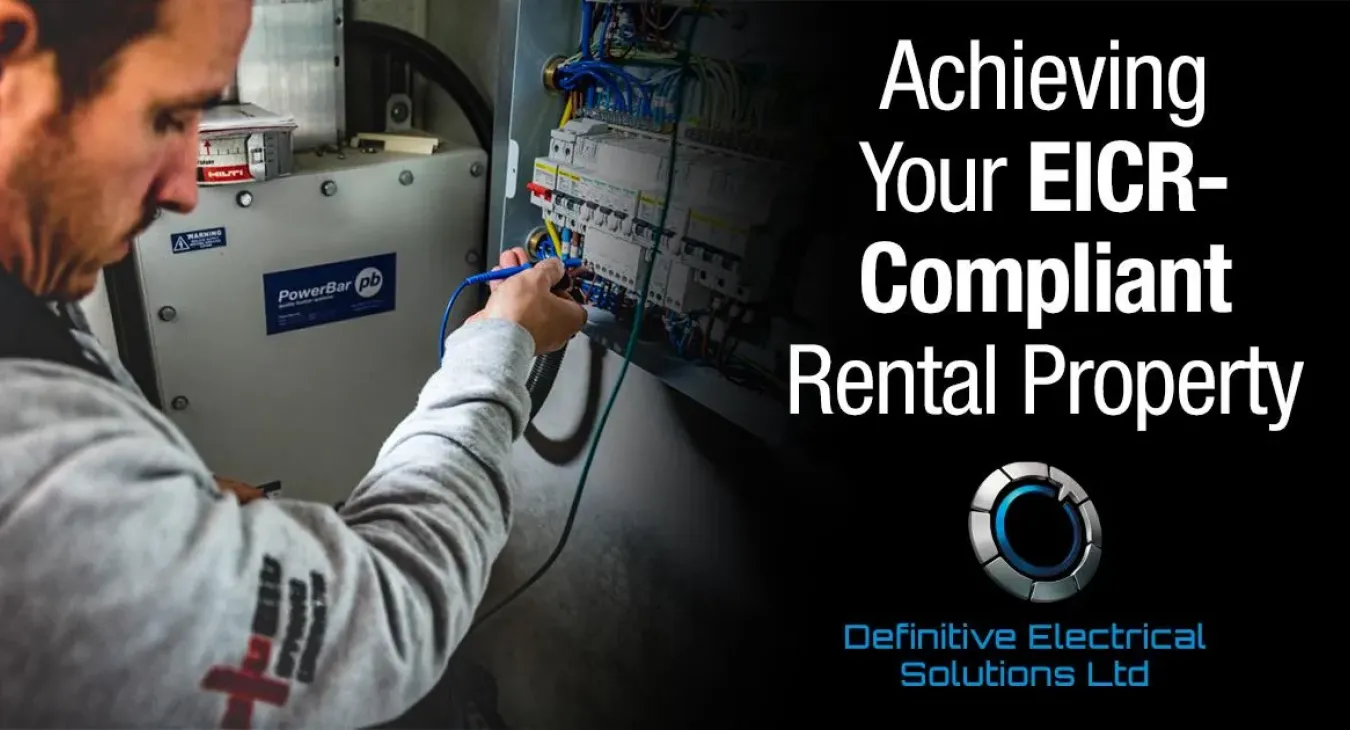
    Electrician working on electrical panel for EICR compliance.

    Landlord Electrical Requirements Explained: Ensuring Compliance and Safety in Property Management

    Electrician inspecting electrical systems in a rental property, emphasizing safety and compliance

    Understanding the electrical requirements for landlords is crucial for ensuring the safety and compliance of rental properties. This article delves into the essential electrical safety inspections, legal regulations, and best practices for property management. Landlords often face challenges in navigating the complex landscape of electrical compliance, which can lead to significant risks if not addressed properly. By exploring the necessary inspections, legal obligations, and how to choose qualified professionals, landlords can mitigate risks and ensure their properties meet safety standards. This guide will cover essential electrical safety inspections, legal compliance regulations, testing frequencies, and tips for selecting professional electrical services.

    Back to top

    1) What Are the Essential Electrical Safety Inspections for Landlords?

    Electrical safety inspections are vital for landlords to ensure that their properties are safe for tenants. These inspections typically include a thorough examination of the electrical systems, identifying any potential hazards, and ensuring compliance with safety standards. One of the most critical components of these inspections is the "Electrical Installation Condition Report (EICR)", which assesses the condition of the electrical installations and identifies any necessary remedial work. Regular inspections not only protect tenants but also safeguard landlords from legal liabilities.

    Further research emphasizes the importance of comprehensive electrical safety inspections in preventing fires and shocks, proposing detailed methodologies for thorough assessments.

    Electrical Safety Inspections: Preventing Fires & Shocks

    This paper presents improved measures for the prevention of electrical fires and electric shock. Based on extensive study of the current standards and literature, as well as on the analysis of the results of long-lasting experimental work (2011–2022), original and comprehensive questionnaires specifically designed for periodic verifications of low-voltage electrical installations in buildings are proposed, related to visual inspection, functionality checks and thermal imaging inspection. The questionnaires overcome the disadvantages of incomplete regulations and currently used safety procedures in this field, ensuring thorough safety assessments, facilitating verification activities, maximizing operator’s efficiency and preventing some of the necessary activities to be overlooked.

    An improved methodology for periodic verifications of low-voltage electrical installations, M Kostic, 2010

    1.1) Understanding Electrical Installation Condition Reports for Rental Properties

    Close-up of an Electrical Installation Condition Report (EICR) document, emphasizing the importance of electrical safety documentation

    An Electrical Installation Condition Report (EICR) is a comprehensive assessment of a property's electrical systems. It includes details about the condition of wiring, sockets, and other electrical components. The EICR ensures that the electrical installations are safe and compliant with current regulations. This report is essential for landlords as it provides a clear record of the electrical safety status of their properties, helping to prevent accidents and ensuring tenant safety.

    1.2) Who Is Qualified to Conduct Landlord Electrical Safety Inspections?

    Qualified electricians are essential for conducting landlord electrical safety inspections. These professionals must possess the necessary certifications and training to perform thorough assessments. Certification bodies, such as the National Inspection Council for Electrical Installation Contracting (NICEIC) and the Electrical Contractors' Association (ECA), provide accreditation to electricians who meet specific standards. Landlords should ensure that the electricians they hire have the appropriate qualifications and experience to conduct these inspections effectively.

    Back to top

    In the UK, landlords are required to comply with various electrical safety regulations to ensure tenant safety. The Electrical Safety Standards in the Private Rented Sector (England) Regulations 2020 mandate that landlords must have their electrical installations inspected and tested at least every five years. Failure to comply with these regulations can result in significant penalties, including fines and legal action.

    2.1) Key UK Electrical Safety Standards and Their Impact on Property Management

    Key electrical safety standards, such as the IET Wiring Regulations (BS 7671), outline the requirements for electrical installations in residential properties. These standards impact property management by establishing the minimum safety requirements that landlords must adhere to. Compliance with these standards not only protects tenants but also enhances the overall reputation of the property and the landlord.

    2.2) What Are the Consequences of Failing to Meet Electrical Compliance Requirements?

    Failing to meet electrical compliance requirements can have serious consequences for landlords. Legal repercussions may include fines, enforcement actions, and potential criminal charges. Additionally, non-compliance can lead to financial penalties and increased insurance premiums. Most importantly, it poses a significant risk to tenant safety, which can result in severe injuries or fatalities.

    Back to top

    3) How Often Should Electrical Testing and Inspections Be Conducted for Rental Properties?

    Regular electrical testing and inspections are crucial for maintaining the safety of rental properties. The frequency of these inspections depends on various factors, including the age of the electrical installations and the type of property. Generally, landlords should ensure that their properties undergo EICR testing at least every five years, or sooner if there are any changes to the electrical system.

    3.1) Understanding the Required Frequency of EICR Testing for Landlords

    The required frequency of "EICR testing" for landlords is typically every five years, as mandated by UK regulations. However, properties with older electrical systems or those that have undergone significant renovations may require more frequent inspections. Landlords should stay informed about the condition of their electrical installations and schedule inspections accordingly to ensure compliance and safety.

    In addition to EICR testing, landlords should establish a maintenance schedule for their electrical systems. Regular maintenance can help identify potential issues before they become serious problems. It is recommended that landlords conduct visual inspections annually and schedule comprehensive EICR testing every five years. This proactive approach can significantly reduce the risk of electrical failures and enhance tenant safety.

    Back to top

    4) How to Choose Professional Property Electrical Testing Services?

    Landlord reviewing electrical testing service options on a laptop, highlighting the decision-making process for safety compliance

    Selecting the right electrical testing service is essential for ensuring compliance and safety in rental properties. Landlords should consider several factors when choosing a professional service, including qualifications, experience, and customer reviews. A thorough vetting process can help landlords find reliable electricians who can provide high-quality inspections and testing.

    4.1) What Qualifications and Certifications Should Landlords Look for in Electricians?

    When choosing electricians for electrical testing, landlords should look for professionals with relevant qualifications and certifications. Key certifications include those from NICEIC, ECA, and other recognized bodies. Additionally, electricians should have experience in residential properties and a solid understanding of current electrical safety regulations.

    4.2) Comparing Service Packages and Costs for Electrical Safety Inspections

    Landlords should compare service packages and costs when selecting electrical testing services. Different providers may offer varying levels of service, from basic inspections to comprehensive EICR testing. It is essential to evaluate the value for money and ensure that the chosen service meets all legal requirements.

    Service PackageDescriptionCost
    Basic InspectionVisual inspection of electrical systems£100
    EICR TestingComprehensive assessment and report£200
    Full ServiceEICR testing plus remedial work£400

    This comparison highlights the importance of understanding the different service options available to landlords, ensuring they choose the best fit for their needs.

    Back to top

    5) What Does an Electrical Safety Certificate for Rental Properties Include?

    An electrical safety certificate is a crucial document for landlords, confirming that their electrical installations meet safety standards. This certificate is issued following a successful EICR test and outlines the condition of the electrical systems within the property.

    5.1) Components and Validity Period of Electrical Safety Certificates

    Electrical safety certificates typically include details about the property, the date of the inspection, and the findings of the EICR. The validity period of these certificates is usually five years, after which a new inspection is required. Landlords must keep these certificates on file and provide copies to tenants upon request.

    5.2) How to Interpret and Use Your Electrical Safety Certificate Effectively

    Understanding how to interpret an electrical safety certificate is essential for landlords. The certificate will indicate whether the electrical installations are safe, any remedial work required, and the next inspection date. Landlords should use this information to ensure ongoing compliance and address any issues promptly.

    Back to top

    6) What Are Common Landlord Concerns and FAQs About Electrical Safety Compliance?

    Landlords often have concerns regarding electrical safety compliance, particularly about the implications of failing to meet regulations. Addressing these concerns is vital for ensuring that landlords understand their responsibilities and the importance of compliance.

    6.1) What Happens If a Landlord Fails Electrical Safety Checks?

    If a landlord fails to conduct necessary electrical safety checks, they may face legal consequences, including fines and potential criminal charges. Additionally, non-compliance can lead to increased liability in the event of an accident or injury related to electrical issues. It is crucial for landlords to prioritise electrical safety to protect both their tenants and themselves.

    6.2) How Can Landlords Mitigate Risks Through Electrical Safety Services?

    Landlords can mitigate risks by investing in professional electrical safety services. Regular inspections, timely maintenance, and hiring qualified electricians are essential steps in ensuring compliance and safety. By prioritising electrical safety, landlords can create a secure living environment for their tenants and protect their investment.

    To ensure safety and gain peace of mind, consider "EICR tests" for your East Midlands households in 2024.

    For local businesses, ensuring safety and compliance through "EICRs" is crucial, as highlighted in this case study.

    Understanding "what EICR report" entails is essential for East Midlands homes.

    It's important to remember "when did you last have EICR" for your home in East Nottingham.

    Back to top
  • Landlords’ Guide to Emergency Electrician Services Explained

    Logo of Definitive Electrical Solutions Ltd with a circular design.

    Emergency Electrician Services for Landlords Explained: Your Guide to Electrical Repairs and Compliance

    Emergency electrician inspecting electrical systems in a rental property

    As a landlord, ensuring the safety and functionality of your rental properties is paramount. Emergency electrician services play a crucial role in maintaining electrical safety and compliance, especially when unexpected issues arise. This guide will delve into the responsibilities landlords have regarding electrical safety, the importance of compliance with regulations like the Electrical Installation Condition Report (EICR), and when to call for emergency assistance. Additionally, we will explore how 24-hour emergency electrical services can support landlords, the costs associated with these services, and effective communication strategies during electrical emergencies. By understanding these aspects, landlords can better protect their tenants and their properties.

    Back to top

    1) What Are Landlord Electrical Safety Responsibilities?

    Landlord reviewing electrical safety documents and EICR report

    Landlords have a legal obligation to ensure that the electrical systems in their properties are safe and well-maintained. This responsibility encompasses regular inspections, timely repairs, and compliance with safety regulations. Failure to meet these obligations can lead to severe consequences, including legal penalties and increased risk of accidents.

    Landlords must adhere to specific legal requirements regarding electrical safety. These include ensuring that all electrical installations are safe, conducting regular inspections, and providing tenants with safety certificates. Non-compliance can result in fines and liability for any accidents that occur due to electrical faults.

    Studies consistently underscore the critical need for thorough testing and compliance to address safety concerns in domestic electrical installations.

    Domestic Electrical Safety: Testing & Compliance

    Current literature indicates that the poor condition of domestic electrical installations throughout Europe has raised concerns in respect of the safety of the owner/occupier. This study addresses:  The quality of Domestic electrical installations, periodic testing, inspection and verification  The Rules and regulations as developed by relevant stake holder s within the sector and enforced by the statutory bodies  Testing requirements in domestic electrical installatio

    An Audit in respect of the Electrical Safety Implications for Domestic Electrical Installations, 2012

    1.2) How EICR Compliance Ensures Tenant Protection

    The Electrical Installation Condition Report (EICR) is a vital tool for landlords, as it assesses the safety of electrical installations. Compliance with EICR regulations not only protects tenants but also helps landlords avoid legal repercussions. Regular EICR assessments ensure that any potential hazards are identified and rectified promptly, maintaining a safe living environment.

    Further emphasizing the importance of these reports, official policies highlight the landlord's responsibility for EICR compliance to ensure tenancy safety.

    Landlord EICR Compliance & Tenancy Safety

    of Landlord Risk and Compliance are responsible for the and provide an Electrical Installation Condition Report (EICR), upon end of each tenancy or when there is a change in tenancy.

    Housing and Safer Communities Policy
    Back to top

    2) When Should Landlords Call an Emergency Electrician?

    Recognising when to call an emergency electrician is essential for landlords. Certain electrical faults can pose immediate risks to tenant safety and property integrity, necessitating urgent attention.

    2.1) Identifying Electrical Faults That Require Urgent Repair

    Common electrical faults that require immediate repair include frequent power outages, exposed wiring, and burning smells from outlets. These issues can indicate serious underlying problems that need to be addressed without delay to prevent accidents or further damage.

    2.2) What Qualifies as an Electrical Emergency in Rental Homes?

    An electrical emergency in rental homes typically includes situations where there is a risk of fire, electric shock, or significant disruption to essential services. Examples include complete power failure, sparking outlets, or water exposure to electrical systems. In such cases, landlords should act swiftly to ensure tenant safety.

    Back to top

    3) How Do 24 Hour Emergency Electrical Services Support Landlords?

    24-hour emergency electrical services provide landlords with peace of mind, knowing that help is available at any time. These services are crucial for addressing urgent electrical issues that can arise unexpectedly.

    3.1) Benefits of Rapid Response for Electrical Fault Repair

    The primary benefit of rapid response services is the minimisation of damage and risk. Quick repairs can prevent further complications, such as property damage or tenant injuries. Additionally, having access to emergency services can enhance tenant satisfaction and trust in the landlord's commitment to safety.

    3.2) Availability and Service Areas for Urgent Electrician Call Outs

    Emergency electricians typically cover a wide range of service areas, ensuring that landlords can access help when needed. Many services operate 24/7, providing timely assistance regardless of the hour. This availability is crucial for landlords managing multiple properties or those with tenants who may experience issues outside of regular business hours.

    The expectation for such services is indeed around-the-clock availability, ensuring that urgent electrical needs are met promptly.

    24/7 Emergency Electrical Repair Services

    on an emergency basis. The contractor shall be prepared to respond to such emergency calls on a 24 hour basis seven days per week. The County will make emergency requests by

    for On-Call Electrical Repair, Maintenance, and Installation Services for various Gwinnett County, 2016
    Back to top

    4) What Are the Costs and Pricing for Emergency Electrical Repairs?

    Close-up of budgeting tools for emergency electrical repair costs

    Understanding the costs associated with emergency electrical repairs is essential for landlords to budget effectively. Pricing can vary based on the nature of the repair, the time of service, and the electrician's expertise.

    4.1) Transparent Pricing Models for Landlord Electrical Services

    Many emergency electrical services offer transparent pricing models, allowing landlords to understand the costs upfront. This transparency helps landlords make informed decisions and avoid unexpected expenses during emergencies.

    4.2) Comparing Emergency Repair Costs in Rental Properties

    When comparing costs for emergency repairs, landlords should consider factors such as the complexity of the issue, the urgency of the repair, and the electrician's qualifications. Below is a comparison of typical emergency repair services:

    ServicePriceDescription
    Basic Call-Out£75Initial fee for emergency response.
    Hourly Rate£100Standard hourly rate for repairs.
    EICR Inspection£150Comprehensive safety inspection of electrical systems.

    This table illustrates the potential costs landlords may encounter when seeking emergency electrical services, emphasising the importance of budgeting for such unexpected expenses.

    Back to top

    5) How Can Landlords Communicate Effectively During Electrical Emergencies?

    Effective communication during electrical emergencies is vital for ensuring tenant safety and managing repairs efficiently. Landlords should establish clear protocols for notifying tenants and coordinating repairs.

    5.1) Best Practices for Tenant Notification and Safety Guidance

    Landlords should inform tenants promptly about any electrical issues and provide safety guidance. This includes advising tenants to avoid using affected electrical systems and ensuring they know how to report emergencies. Clear communication can help mitigate panic and ensure tenant safety.

    5.2) Coordinating Repairs and Compliance Documentation

    After addressing an emergency, landlords must document the repairs and any compliance measures taken. This documentation is essential for maintaining records and demonstrating adherence to safety regulations. It also helps in future inspections and can protect landlords from liability.

    Back to top

    6) How Does Integration of EICR Compliance Enhance Emergency Services?

    Integrating EICR compliance into emergency services can significantly enhance the effectiveness of repairs and tenant safety.

    6.1) Linking Electrical Installation Condition Reports with Urgent Repairs

    When emergency electricians are aware of a property's EICR status, they can address issues more effectively. This knowledge allows them to prioritise repairs based on the severity of the risks identified in the EICR, ensuring that the most critical issues are resolved first.

    6.2) Ensuring Ongoing Compliance Through Emergency Interventions

    Emergency interventions can also serve as opportunities for landlords to ensure ongoing compliance with electrical safety standards. By addressing issues promptly and maintaining accurate records, landlords can uphold their responsibilities and protect their tenants effectively.

    For more information on ensuring safety and compliance, consider reading this case study on EICRs for local businesses.

    It's also important to understand why rental properties need EICR to ensure tenant safety and legal compliance.

    To ensure peace of mind, consider the benefits of EICR tests for East Midlands households in 2024.

    Back to top
  • Essential Guide on Electrical Compliance for Landlords

    Landlord inspecting electrical systems for compliance and safety in a rental property

    Electrical Compliance for Landlords: What You Need to Know to Meet Safety Regulations and Protect Your Rental Property

    Landlord inspecting electrical systems for compliance and safety in a rental property

    Electrical compliance is a critical aspect of property management for landlords, ensuring that rental properties meet safety standards and legal requirements. Understanding the nuances of electrical safety regulations can help landlords protect their tenants and avoid legal repercussions. This article will delve into the essential aspects of electrical compliance, including the legal requirements, the EICR testing process, and practical steps landlords can take to maintain compliance. By addressing these topics, landlords can ensure their properties are safe and compliant, ultimately fostering a secure living environment for tenants.

    Back to top

    In 2024, landlords in the UK must adhere to specific electrical safety regulations to ensure the safety of their rental properties. These regulations are designed to protect tenants from electrical hazards and ensure that properties are maintained to a safe standard. Compliance with these regulations not only safeguards tenants but also protects landlords from potential legal issues and financial penalties.

    The importance of robust electrical safety standards is further underscored by research highlighting concerns over the condition of domestic electrical installations.

    Domestic Electrical Safety: Testing, Regulations & Compliance

    Current literature indicates that the poor condition of domestic electrical installations throughout Europe has raised concerns in respect of the safety of the owner/occupier. This study addresses: The quality of Domestic electrical installations, periodic testing, inspection and verification; The Rules and regulations as developed by relevant stake holders within the sector and enforced by the statutory bodies; Testing requirements in domestic electrical installations which underpin safety for the occupier.

    An Audit in respect of the Electrical Safety Implications for Domestic Electrical Installations, 2012

    1.1) Which UK laws mandate electrical compliance for rental properties?

    Several key pieces of legislation govern electrical compliance for rental properties in the UK. The most significant include the Electrical Safety Standards in the Private Rented Sector (England) Regulations 2020, which require landlords to ensure that electrical installations are safe and maintained. Additionally, the Housing Act 2004 mandates that properties must be free from hazards, including electrical risks. These laws collectively establish a framework for electrical safety that landlords must follow to ensure compliance.

    1.2) How often must landlords conduct Electrical Installation Condition Reports?

    Landlords are required to conduct Electrical Installation Condition Reports (EICRs) at least every five years. This regular testing ensures that electrical installations remain safe and compliant with current regulations. Failure to conduct these inspections can result in significant penalties, including fines and potential legal action. Therefore, it is crucial for landlords to stay on top of their EICR obligations to maintain compliance and ensure tenant safety.

    Back to top

    2) How Does the EICR Testing Process Ensure Rental Property Safety?

    Electrician performing EICR testing in a residential property to ensure electrical safety

    The EICR testing process is a vital component of electrical compliance, providing landlords with a comprehensive assessment of their property's electrical systems. This process not only identifies potential hazards but also ensures that all electrical installations meet safety standards.

    2.1) What does an Electrical Installation Condition Report include?

    An Electrical Installation Condition Report includes a detailed assessment of the electrical systems within a property. It covers aspects such as the condition of wiring, the functionality of circuit breakers, and the presence of any potential hazards. The report also categorizes any issues found, allowing landlords to prioritize necessary repairs and ensure compliance with safety regulations.

    2.2) Who is qualified to perform EICR inspections for landlords?

    Only qualified electricians can perform EICR inspections. These professionals must possess the necessary certifications and training to ensure that they can accurately assess electrical systems and identify potential hazards. Hiring a certified electrician is crucial for landlords to ensure that inspections are conducted thoroughly and in compliance with legal requirements.

    Back to top

    3) How Can Landlords Interpret and Use Their Electrical Compliance Certificates?

    Understanding and effectively utilizing electrical compliance certificates is essential for landlords to maintain safety and compliance in their properties. These certificates provide critical information regarding the condition of electrical systems and any necessary actions that need to be taken.

    3.1) What key information is found in an EICR report?

    An EICR report contains several key pieces of information, including the overall condition of the electrical installation, any observed defects, and recommendations for remedial actions. Landlords should pay close attention to the categorization of issues, as this will indicate the urgency of repairs needed to ensure compliance and tenant safety.

    3.2) How should landlords act on electrical faults identified in reports?

    When electrical faults are identified in an EICR report, landlords must take prompt action to address these issues. This may involve hiring a qualified electrician to carry out necessary repairs or upgrades. Timely action is crucial, as unresolved electrical faults can pose significant risks to tenant safety and may lead to legal repercussions for landlords.

    Back to top

    4) What Are the Consequences of Electrical Non-Compliance for Landlords?

    Failing to comply with electrical safety regulations can have serious consequences for landlords, including legal penalties and increased liability for tenant safety.

    4.1) What penalties and enforcement actions apply to non-compliant landlords?

    Landlords who fail to comply with electrical safety regulations may face substantial fines and enforcement actions from local authorities. These penalties can vary depending on the severity of the non-compliance and may include orders to rectify issues within a specified timeframe. In severe cases, landlords may even face criminal charges.

    4.2) How does electrical non-compliance affect tenant safety and landlord liability?

    Electrical non-compliance significantly impacts tenant safety, as it increases the risk of electrical hazards such as fires and electrocution. This not only endangers tenants but also exposes landlords to increased liability. In the event of an incident, landlords may be held responsible for damages and injuries resulting from their failure to maintain safe electrical systems.

    Back to top

    5) How to Choose a Certified Electrician for Your Rental Property Electrical Inspections?

    Landlord consulting with a certified electrician about electrical compliance and inspections

    Selecting a qualified electrician for EICR inspections is crucial for landlords to ensure compliance and safety. The right professional can provide thorough assessments and necessary repairs, helping landlords maintain their properties effectively.

    5.1) What qualifications and certifications should landlords look for?

    When choosing an electrician, landlords should look for specific qualifications and certifications, such as the National Inspection Council for Electrical Installation Contracting () registration or equivalent. These certifications indicate that the electrician has undergone the necessary training and adheres to industry standards, ensuring a high level of service.

    5.2) Why is local expertise important for East Midlands landlords?

    Local expertise is particularly important for landlords in the East Midlands, as electricians familiar with regional regulations and common issues can provide tailored services. This local knowledge can help ensure that inspections and repairs are conducted efficiently and in compliance with specific local requirements.

    Back to top

    6) What Practical Steps Can Landlords Take to Maintain Electrical Compliance?

    Maintaining electrical compliance requires proactive measures from landlords to ensure that their properties remain safe and compliant with regulations.

    One crucial aspect of maintaining electrical compliance is understanding why rental properties need EICRs. These reports provide a comprehensive assessment of the electrical systems, ensuring they meet safety standards and legal requirements.

    6.1) What should be included in a landlord electrical safety checklist?

    A comprehensive electrical safety checklist for landlords should include the following items:

    1. Regular EICR Inspections: Schedule EICR inspections every five years to ensure compliance.
    2. Routine Maintenance: Conduct regular maintenance on electrical systems to identify and address potential issues.
    3. Tenant Education: Provide tenants with information on electrical safety and how to report issues promptly.

    6.2) How can landlords prepare their properties for electrical inspections?

    To prepare for electrical inspections, landlords should ensure that all areas of the property are accessible to the electrician. This includes clearing any obstructions around electrical panels and outlets. Additionally, landlords should review previous EICR reports to address any outstanding issues before the inspection takes place.

    For landlords in the East Midlands, staying updated on the latest regulations and guidelines is essential. Regular EICR tests can provide peace of mind and ensure compliance with local requirements.

    Back to top
  • Urgent Electrical Issues? Quick Response Repair is Key!

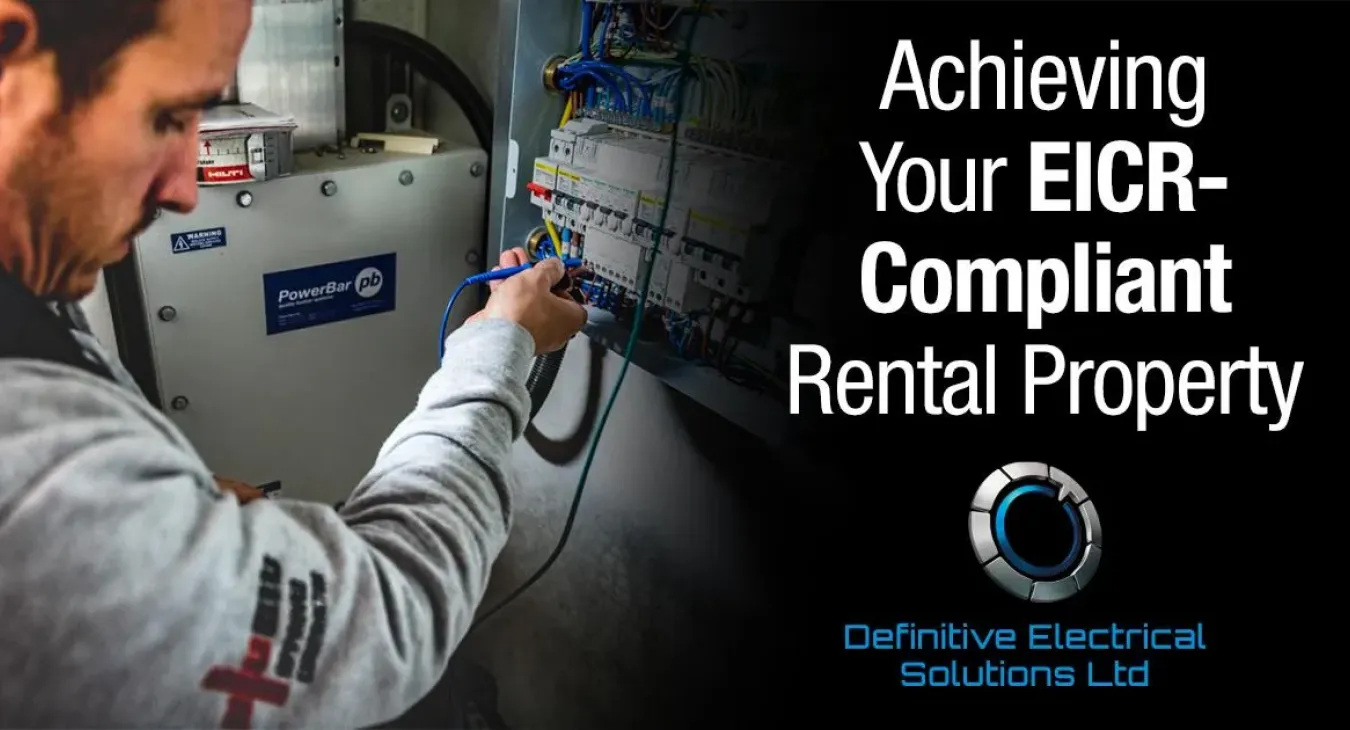
    Electrician working on electrical panel for EICR compliance.

    Emergency Electrical Repairs: Why Quick Response Matters for Immediate Electrical Help

    Emergency electrician addressing a critical electrical issue in a residential setting

    Electrical emergencies can arise unexpectedly, posing significant risks to safety and property. Understanding the importance of quick response in these situations is crucial for minimizing damage and ensuring safety. This article delves into the nature of electrical emergencies, the critical need for rapid response, and how proper maintenance can prevent such incidents. Readers will learn about common electrical emergencies, the role of Electrical Installation Condition Reports (EICRs), and what to expect from professional emergency electrician services. By the end, you will have a comprehensive understanding of how to handle electrical emergencies effectively and safely.

    Back to top

    1) What Defines an Electrical Emergency and When Should You Call for Urgent Electrical Services?

    An electrical emergency is a situation that poses an immediate risk to life, property, or the environment due to electrical faults. Recognising these emergencies is vital for ensuring timely intervention and preventing further complications. Common scenarios include power outages caused by faulty wiring, exposed wires, or electrical fires. Understanding when to call for urgent electrical services can save lives and property.

    1.1) How to Identify Common Electrical Emergencies Requiring Fast Electrical Fault Repair

    Homeowner observing flickering lights indicating an electrical emergency

    Identifying electrical emergencies quickly can prevent serious consequences. Here are some common signs that indicate an urgent need for electrical fault repair:

    1. Flickering Lights: Frequent flickering can signal wiring issues or overloaded circuits.
    2. Burning Smell: A burning odour near outlets or appliances often indicates overheating wires or devices.
    3. Tripped Circuit Breakers: Regularly tripped breakers may suggest a serious electrical fault that needs immediate attention.

    Recognising these signs can help you act swiftly and call for professional help.

    1.2) What Qualifies as an Emergency for 24 Hour Electrical Repair Services?

    Certain situations necessitate 24-hour electrical repair services. These include:

    1. Electrical Fires: Any sign of smoke or flames requires immediate action.
    2. Severe Power Outages: Extended outages, especially in extreme weather, can be dangerous.
    3. Exposed Wires: Any visible wiring that poses a risk of shock or fire should be addressed immediately.

    Understanding these criteria ensures that you know when to seek urgent assistance.

    The critical need for reliable emergency electrical supply, especially during power failures, is further underscored by expert analysis.

    Essential Emergency Electrical Supply for Power Failure

    Emergency electrical supply is essential throughout, not only for power failure but also in the

    Emergency services, M Bowman, 2018
    Back to top

    2) Why Is Quick Response Critical in Emergency Electrical Repairs?

    Quick response in electrical emergencies is essential for several reasons. Delays can lead to increased risks of injury, property damage, and even fatalities. Rapid intervention can mitigate these risks and restore safety.

    2.1) How Does Rapid Response Reduce Electrical Safety Risks and Prevent Damage?

    Rapid response significantly reduces safety risks associated with electrical faults. For instance, addressing a small electrical fire immediately can prevent it from spreading and causing extensive damage. Statistics show that timely intervention can reduce the risk of severe injuries by up to 70%. This highlights the importance of having access to emergency electrical services.

    The importance of robust emergency power systems and effective risk mitigation strategies, particularly in critical environments, is a well-documented concern.

    Emergency Power Systems & Risk Mitigation in Critical Facilities

    with an emphasis on electrical power systems in critical environments, including hospitals and data centers. He has worked on numerous emergency power projects in the role of the

    Risk mitigation strategies for emergency power upgrades in critical facilities, 2019

    2.2) What Are the Typical Response Times for Emergency Electricians Near Me?

    Typical response times for emergency electricians can vary based on location and availability. Generally, most emergency electricians aim to respond within 30 minutes to 2 hours. Factors affecting response times include:

    1. Location: Urban areas often have quicker response times due to proximity.
    2. Time of Day: Response times may be longer during off-peak hours.
    3. Service Demand: High demand can lead to delays in response.

    Understanding these factors can help set realistic expectations during an emergency.

    Back to top

    3) How Do Electrical Installation Condition Reports Support Emergency Prevention?

    Electrical Installation Condition Reports (EICRs) play a crucial role in preventing electrical emergencies. These reports assess the safety and condition of electrical installations, identifying potential hazards before they escalate into emergencies.

    3.1) What Role Do EICRs Play in Ensuring Electrical Safety Compliance?

    EICRs are essential for ensuring compliance with safety regulations. They provide a detailed assessment of electrical systems, highlighting areas that require attention. Regular inspections can help maintain safety standards and prevent electrical faults that could lead to emergencies.

    3.2) How Can Regular EICRs Minimise the Need for Emergency Electrical Repairs?

    Conducting regular EICRs can significantly reduce the likelihood of electrical emergencies. By identifying and addressing issues early, property owners can avoid costly repairs and ensure a safe environment. For instance, outdated wiring can be replaced before it causes a fire, demonstrating the preventative benefits of EICRs.

    Studies consistently highlight the critical role of regular inspections and adherence to regulations in maintaining domestic electrical safety and preventing hazards.

    Domestic Electrical Safety: Inspections & Regulations

    Current literature indicates that the poor condition of domestic electrical installations throughout Europe has raised concerns in respect of the safety of the owner/occupier. This study addresses: The quality of Domestic electrical installations, periodic testing, inspection and verification; The Rules and regulations as developed by relevant stake holder s within the sector and enforced by the statutory bodies; Testing requirements in domestic electrical installatio

    An Audit in respect of the Electrical Safety Implications for Domestic Electrical Installations, 2012
    Back to top

    4) What to Expect from Professional Emergency Electrician Services Offering Immediate Electrical Help

    When you call for emergency electrical services, understanding what to expect can ease the process. Professional electricians are trained to handle a variety of emergencies efficiently and safely.

    4.1) Which Qualifications and Certifications Should Emergency Electricians Hold?

    Emergency electricians should possess specific qualifications and certifications to ensure they are equipped to handle electrical emergencies. Key certifications include:

    1. City & Guilds 2365: Indicates competence in electrical installation.
    2. Part P Certification: Ensures compliance with building regulations.
    3. NICEIC Registration: Confirms adherence to safety standards.

    Verifying these qualifications can provide peace of mind when seeking emergency services.

    4.2) How Do 24 Hour Electrical Repair Services Operate in Nottingham and East Midlands?

    In Nottingham and the East Midlands, 24-hour electrical repair services operate by providing immediate assistance to those in need. These services typically include:

    1. Rapid Response Teams: Trained professionals ready to address emergencies at any hour.
    2. Comprehensive Assessments: Thorough evaluations of the electrical system to identify issues.
    3. Safety Protocols: Strict adherence to safety regulations to protect both the electrician and the property owner.

    Understanding how these services operate can help you feel more prepared in an emergency.

    Back to top

    5) What Are Safety Tips and Best Practices During Electrical Emergencies?

    Person using a fire extinguisher on a small electrical fire, demonstrating safety practices

    During an electrical emergency, knowing how to stay safe is paramount. Here are some essential safety tips to follow:

    1. Avoid Water: Never use water to extinguish electrical fires; instead, use a fire extinguisher rated for electrical fires.
    2. Stay Calm: Panic can lead to poor decision-making; remain calm and assess the situation.
    3. Call for Help: Always contact a professional electrician for assistance.

    These practices can help ensure your safety while waiting for urgent electrical services.

    5.1) How to Stay Safe While Waiting for Urgent Electrical Services?

    While waiting for emergency services, take the following precautions:

    1. Turn Off Power: If safe to do so, switch off the main power supply to prevent further hazards.
    2. Clear the Area: Remove any flammable materials from the vicinity of the electrical fault.
    3. Communicate Clearly: Provide clear information to emergency services about the situation.

    These steps can help mitigate risks until professional help arrives.

    5.2) What Precautions Prevent Further Electrical Hazards Before Repairs?

    To prevent further hazards before repairs, consider these precautions:

    1. Secure the Area: Ensure that the area is safe and restrict access to unauthorized individuals.
    2. Use Warning Signs: Place signs to alert others of the electrical hazard.
    3. Document the Issue: Take notes or photos of the problem for the electrician to review.

    Implementing these precautions can help maintain safety until the issue is resolved.

    To ensure your home is safe, it's important to understand EICR tests are conducted regularly.

    For businesses in the East Midlands, understanding EICRs is crucial for compliance and safety.

    Many rental properties need EICR to ensure tenant safety and meet legal requirements.

    Back to top
  • Essential Guide to Landlord Electrical Inspection Services

    Electrician working on electrical panel for EICR compliance.

    Landlord Electrical Inspection Services Explained: Ensuring Compliance and Safety with EICR

    Electrician inspecting electrical systems in a rental property, emphasizing safety and compliance

    Landlord electrical inspection services are crucial for ensuring the safety and compliance of rental properties. An Electrical Installation Condition Report (EICR) is a key component of these services, providing landlords with a comprehensive assessment of their electrical systems. This article will delve into the importance of EICR, the legal requirements for landlords, the inspection process, associated costs, and the safety benefits that come with compliance. By understanding these aspects, landlords can better protect their tenants and their properties while adhering to UK electrical safety regulations.

    Back to top

    1) What is an Electrical Installation Condition Report for Rental Properties?

    An Electrical Installation Condition Report (EICR) is a formal document that assesses the safety and condition of electrical installations in rental properties. It serves to ensure that electrical systems are safe for use and comply with current regulations. The EICR is essential for landlords, as it not only identifies any potential hazards but also provides a clear record of the electrical system's condition.

    1.1) Definition and Purpose of EICR in Landlord Electrical Compliance

    The EICR is designed to evaluate the safety of electrical installations, ensuring they meet the required standards. It identifies any defects or issues that could pose a risk to tenants, such as faulty wiring or outdated equipment. By obtaining an EICR, landlords demonstrate their commitment to tenant safety and compliance with legal obligations.

    1.2) Who Performs the EICR: Role of a Qualified Electrician

    A qualified electrician is responsible for conducting the EICR. These professionals possess the necessary training and certifications to assess electrical systems accurately. Their expertise ensures that all aspects of the installation are thoroughly examined, and any issues are documented appropriately. This process is vital for maintaining safety standards in rental properties.

    Back to top

    Landlords in the UK are required to adhere to specific electrical safety regulations to protect their tenants. These regulations outline the responsibilities of landlords regarding electrical installations and inspections.

    2.1) UK Electrical Safety Regulations for Rental Properties 2024-2026

    The UK electrical safety regulations mandate that landlords must ensure their properties are electrically safe. This includes obtaining an EICR at least every five years or whenever there is a change of tenancy. Compliance with these regulations is essential to avoid legal repercussions and ensure tenant safety.

    2.2) Inspection Frequency and Landlord Obligations for Periodic Electrical Inspection

    Landlords are obligated to conduct periodic electrical inspections to maintain safety standards. The EICR must be renewed at least every five years, and landlords must provide a copy of the report to their tenants. Additionally, any remedial work identified in the report must be completed promptly to ensure ongoing compliance.

    Back to top

    3) How is the Electrical Inspection Process Conducted for Landlords?

    The electrical inspection process involves a systematic assessment of the property's electrical systems. This process is crucial for identifying any potential hazards and ensuring compliance with safety regulations.

    3.1) Step-by-Step Electrical Testing Procedures for Rental Properties

    Electrician conducting a visual inspection of electrical circuits, showcasing thorough testing procedures

    The inspection typically follows a series of steps, including visual inspections, testing of circuits, and verification of earthing and bonding. Electricians will check for any signs of wear and tear, ensuring that all installations are safe and functional. This thorough approach helps to identify issues before they become serious problems.

    3.2) What Does an Electrical Safety Certificate Cover and How is it Issued?

    An electrical safety certificate, issued following the EICR, covers various aspects of the electrical installation, including the condition of wiring, sockets, and appliances. The certificate serves as proof that the property meets safety standards and is safe for tenant use. It is essential for landlords to keep this documentation up to date.

    Back to top

    4) What are the Costs and Pricing Options for Landlord Electrical Inspection Services?

    Understanding the costs associated with EICR services is vital for landlords budgeting for compliance. Various factors can influence the pricing of these inspections.

    4.1) Factors Influencing EICR Pricing for Rental Properties

    Several factors can affect the cost of an EICR, including the size of the property, the complexity of the electrical systems, and the location of the property. Larger properties or those with more complex electrical installations may incur higher inspection fees. Additionally, regional pricing variations can also impact overall costs.

    4.2) Comparing Service Packages and Value for Landlords

    When selecting an electrical inspection service, landlords should compare different packages to find the best value. Many providers offer tiered pricing based on the level of service, which may include additional features such as follow-up inspections or detailed reports. Understanding these options can help landlords make informed decisions.

    Service PackagePriceDescription
    Basic EICR£150Standard inspection for small properties.
    Comprehensive EICR£250In-depth inspection with detailed reporting.
    Follow-Up Inspection£100Additional inspection after remedial work.

    This table illustrates the various service packages available, helping landlords choose the most suitable option for their needs.

    Back to top

    5) What Safety Benefits Does an EICR Provide to Landlords and Tenants?

    Family enjoying a safe living environment, representing the peace of mind from having an EICR

    Obtaining an EICR offers significant safety benefits for both landlords and tenants. Ensuring electrical safety is paramount in maintaining a secure living environment.

    5.1) Risk Mitigation and Prevention of Electrical Faults in Rental Properties

    An EICR helps identify and mitigate risks associated with electrical faults, such as short circuits or fire hazards. By addressing these issues proactively, landlords can prevent accidents and protect their tenants from potential harm. Regular inspections contribute to a safer living environment.

    5.2) Peace of Mind Through Compliance and Certification

    Having a valid EICR provides peace of mind for landlords and tenants alike. It assures tenants that their living space is safe and compliant with legal standards. For landlords, it demonstrates a commitment to safety and can enhance their reputation as responsible property owners.

    Back to top

    6) Where Can Landlords Find Case Studies and FAQs on Electrical Inspection Services?

    Landlords seeking more information on electrical inspection services can benefit from various resources, including case studies and frequently asked questions.

    6.1) Real-Life Case Studies from East Midlands and Nottingham Regions

    Case studies from the East Midlands and Nottingham regions highlight the importance of EICR in real-world scenarios. These examples illustrate how timely inspections have prevented serious electrical issues and ensured tenant safety. Learning from these cases can help landlords understand the value of regular inspections.

    6.2) Frequently Asked Questions About Electrical Testing for Landlords

    Landlords often have questions regarding electrical testing and compliance. Common inquiries include the frequency of inspections, the process of obtaining an EICR, and the implications of failing to comply with regulations. Addressing these questions can help landlords navigate their responsibilities more effectively.

    To further understand the importance of these inspections, it's beneficial to consider why rental properties need EICR. These reports ensure that properties meet safety standards and protect tenants from potential electrical hazards.

    For landlords in the East Midlands, ensuring safety and peace of mind through regular EICR tests is crucial. These tests help maintain compliance and provide a secure living environment for tenants.

    Understanding what an EICR report covers is essential for landlords in the East Midlands. This knowledge ensures they are fully aware of the electrical condition of their properties and can address any issues promptly.

    It's also important for landlords to consider when they last had an EICR performed on their properties in East Nottingham. Regular inspections are key to maintaining safety and compliance.

    Back to top
  • Quick and Effective Electrical Troubleshooting for Landlords

    Electrician working on electrical panel for EICR compliance.

    Fast Electrical Troubleshooting Services for Landlords and Agents: Rapid Solutions for Rental Property Electrical Safety

    Electrician inspecting wiring for rental property electrical safety

    In the realm of property management, ensuring the electrical safety of rental properties is paramount. Landlords and letting agents often face challenges with electrical faults that can jeopardize tenant safety and property integrity. This article delves into fast electrical troubleshooting services tailored for landlords and agents, highlighting common electrical issues, the importance of Electrical Installation Condition Reports (EICR), and the legal responsibilities surrounding electrical safety. By understanding these elements, landlords can ensure compliance and maintain a safe living environment for tenants. We will explore the most common electrical faults, the role of EICR in troubleshooting, and the processes involved in rapid electrical fault diagnosis. Additionally, we will discuss the legal obligations of landlords and agents, typical costs associated with electrical troubleshooting, and best practices for ongoing compliance.

    Back to top

    1) What Are the Most Common Electrical Faults in Rental Properties?

    Damaged wiring and short circuit illustrating common electrical faults

    Electrical faults can pose significant risks in rental properties, leading to safety hazards and potential legal issues. Common electrical faults include short circuits, faulty wiring, and power outages. Understanding these issues is crucial for landlords and agents to ensure tenant safety and property compliance.

    1.1) How Do Short Circuits and Faulty Wiring Affect Rental Property Safety?

    Short circuits occur when electrical current flows along an unintended path, often due to damaged wiring or faulty appliances. This can lead to overheating, electrical fires, and equipment damage. Faulty wiring, which may result from poor installation or wear and tear, can also create dangerous conditions, increasing the risk of electrical shock or fire. Regular inspections and prompt repairs are essential to mitigate these risks and ensure the safety of tenants.

    1.2) What Causes Power Outages and How Are They Diagnosed Quickly?

    Power outages can stem from various causes, including overloaded circuits, damaged power lines, or issues with the electrical grid. Quick diagnosis is vital to restore power and minimise disruption. Landlords and agents should be familiar with common diagnostic techniques, such as checking circuit breakers and inspecting wiring for visible damage. Understanding these causes and solutions can help in addressing power outages efficiently.

    Back to top

    2) How Does Electrical Installation Condition Report Support Fast Troubleshooting?

    Electrician discussing EICR with landlord for electrical safety compliance

    An Electrical Installation Condition Report (EICR) is a crucial document that assesses the safety and condition of electrical installations in a property. It plays a significant role in fast troubleshooting by identifying potential hazards and ensuring compliance with safety regulations.

    2.1) What Is the Role of EICR in Ensuring Landlord Electrical Safety Compliance?

    The EICR outlines compliance with electrical safety standards, detailing any deficiencies that need addressing. Landlords are legally required to obtain an EICR at least every five years, ensuring that their properties meet safety regulations. Failure to comply can result in penalties and increased liability in case of accidents.

    2.2) How Is EICR Integrated with Emergency Electrical Repairs and Fault Diagnosis?

    EICRs are integral to emergency electrical repairs, as they provide a baseline for understanding the property's electrical condition. When faults are identified, the EICR can guide electricians in prioritising repairs and ensuring that all work complies with safety standards. This integration streamlines the troubleshooting process, allowing for quicker resolutions to electrical issues.

    Back to top

    3) How Do Fast Electrical Troubleshooting Services Work for Landlords and Agents?

    Fast electrical troubleshooting services are designed to address electrical issues promptly, minimising downtime and ensuring tenant safety. These services typically involve a systematic approach to diagnosing and repairing faults.

    3.1) What Are the Step-by-Step Processes for Rapid Electrical Fault Diagnosis?

    1. Initial Assessment: Electricians conduct a thorough inspection of the property to identify visible issues.
    2. Diagnostic Testing: Using specialised tools, electricians test circuits and appliances to pinpoint faults.
    3. Repair and Resolution: Once the issue is identified, repairs are made swiftly to restore electrical functionality.
    4. Final Inspection: A follow-up inspection ensures that all repairs meet safety standards and that the property is safe for tenants.

    3.2) How Quickly Can Emergency Electrician Services Respond to Rental Property Issues?

    Emergency electrician services can typically respond within 24-48 hours, depending on the severity of the issue and the availability of technicians. Factors such as location and time of day can influence response times. Landlords should establish relationships with reliable emergency services to ensure prompt assistance when needed.

    Back to top

    Landlords and agents have a legal obligation to ensure the electrical safety of their properties. This includes conducting regular inspections and addressing any identified issues promptly.

    4.1) Which Electrical Safety Checks Must Landlords Perform Regularly?

    • EICR Inspections: Conducted every five years to assess the safety of electrical installations.
    • Visual Inspections: Regular checks for visible signs of wear or damage to wiring and appliances.
    • Testing of Smoke Alarms: Ensuring that smoke alarms are functional and compliant with safety regulations.

    4.2) How Can Letting Agents Arrange and Manage Electrical Repairs Effectively?

    Letting agents can manage electrical repairs by establishing clear communication channels with landlords and contractors. They should maintain a list of qualified electricians and ensure that all repairs are documented. Timely communication about repairs and inspections can help maintain tenant satisfaction and safety.

    Back to top

    5) What Are the Typical Costs and Service Packages for Electrical Troubleshooting in Rental Properties?

    Understanding the costs associated with electrical troubleshooting is essential for landlords to budget effectively. Service packages can vary based on the complexity of the issues and the urgency of the repairs.

    5.1) How Are Pricing Structures Designed for Emergency Electrical Repairs?

    Pricing for emergency electrical repairs typically includes a call-out fee, hourly labour rates, and the cost of any necessary materials. Landlords should expect to pay between £75 to £150 for call-out fees, with hourly rates ranging from £40 to £80, depending on the electrician's experience and the nature of the work.

    5.2) What Service Options Are Available for Commercial Electrical Troubleshooting?

    Commercial electrical troubleshooting services often include comprehensive maintenance packages that cover regular inspections, emergency repairs, and compliance checks. These packages can be tailored to meet the specific needs of commercial properties, ensuring that all electrical systems are safe and operational.

    Back to top

    6) How Can Landlords and Agents Ensure Ongoing Electrical Safety Compliance and Rapid Fault Resolution?

    To maintain electrical safety compliance, landlords and agents should implement proactive strategies that include regular inspections and prompt fault resolution.

    6.1) What Are Best Practices for Scheduling Regular Electrical Safety Inspections?

    • Establishing a Routine: Set a regular schedule for EICR inspections and visual checks.
    • Documenting Findings: Keep detailed records of inspections and any repairs made.
    • Communicating with Tenants: Inform tenants about upcoming inspections and any necessary preparations.

    6.2) How Do Case Studies Demonstrate Effective Fast Troubleshooting and Compliance?

    Case studies highlight the importance of fast troubleshooting in maintaining compliance and tenant safety. For instance, properties that implemented regular EICR inspections and established relationships with emergency electricians reported fewer incidents of electrical failures and improved tenant satisfaction. These examples underscore the value of proactive management in electrical safety.

    Service PackagePricingDescription
    Emergency Call-Out£75-£150Immediate response for urgent electrical issues.
    EICR Inspection£100-£200Comprehensive assessment of electrical installations.
    Routine Maintenance£50-£100Regular checks and minor repairs to ensure safety.
    Back to top
  • Expert Electrical Installation Advice for Landlords & Agents

    Electrician working on electrical panel for EICR compliance.

    Expert Electrical Installation Advice for Landlords and Property Agents: Ensuring Compliance and Safety

    Electrician inspecting electrical installations for safety compliance in a rental property

    Navigating the complexities of electrical installation and safety compliance is crucial for landlords and property agents in the UK. This article provides expert electrical installation advice, focusing on the importance of Electrical Installation Condition Reports (EICRs) and the legal obligations that landlords must adhere to. With the increasing emphasis on safety and compliance, understanding these requirements can help landlords avoid penalties and ensure tenant safety. This guide will cover essential topics, including EICR requirements, best practices for electrical safety, and efficient management of electrical compliance. By the end, readers will be equipped with the knowledge to maintain high safety standards in their rental properties.

    Back to top

    1) What Are Electrical Installation Condition Reports and Why Are They Essential for Landlords?

    Electrical Installation Condition Reports (EICRs) are formal documents that assess the safety and condition of electrical installations in rental properties. These reports are essential for landlords as they provide a comprehensive evaluation of the electrical systems, ensuring compliance with safety regulations. Regular EICRs help identify potential hazards, ensuring that properties remain safe for tenants. Furthermore, having up-to-date EICRs can protect landlords from legal liabilities and enhance tenant confidence in the property.

    1.1) Understanding EICR Requirements for Rental Properties in the UK

    In the UK, landlords are legally required to obtain an EICR for their rental properties at least every five years. This report must be conducted by a qualified electrician who will assess the electrical installations for safety and compliance with the latest regulations. Failure to obtain an EICR can result in significant penalties, including fines and potential legal action from tenants. It is crucial for landlords to understand these requirements to maintain compliance and ensure tenant safety.

    Further emphasizing the importance of these checks, various organizations have highlighted the ongoing need for robust electrical safety regulations in rental properties.

    Electrical Safety Checks & Regulations for UK Rental Properties

    Safety for tenants in privately rented properties continues to be -yearly electrical checks in privately rented homes in Scotland, and Planning Act that we hope will mean regulations are

    Electrical Safety First, 2015

    1.2) How Often Must Landlords Schedule Electrical Safety Checks?

    Landlord consulting with electrician about scheduling electrical safety checks

    Landlords must schedule electrical safety checks at least every five years, but it is advisable to conduct them more frequently, especially in older properties or those with high tenant turnover. Regular checks help identify any issues before they become serious problems, ensuring the safety of the electrical systems. Additionally, landlords should conduct checks whenever there are significant changes to the electrical installations or when a new tenant moves in.

    Back to top

    2) How Do UK Electrical Installation Regulations Impact Landlord Compliance?

    UK electrical installation regulations set out the legal framework that landlords must follow to ensure the safety of their properties. These regulations are designed to protect tenants and ensure that electrical systems are safe and well-maintained.

    Understanding the foundational legal framework is crucial for landlords to navigate their responsibilities effectively.

    British Electrical Safety Legislation for Rental Properties

    It describes British legislation on the safety of electrical systems and regulations with health and safety requirements that legislation and electrical safety in the domestic rental sector.

    Electrical Safety and the Law, 2017

    Landlords have several key legal obligations regarding electrical safety, including ensuring that all electrical installations are safe and properly maintained. They must provide tenants with a copy of the EICR and ensure that any necessary repairs are carried out promptly. Additionally, landlords must ensure that any electrical work is performed by a qualified electrician, adhering to the latest safety standards.

    2.2) Recent Updates in UK Electrical Safety Legislation Affecting Rental Properties

    Recent updates to UK electrical safety legislation have introduced stricter requirements for landlords, including the need for mandatory EICRs and enhanced penalties for non-compliance. These changes aim to improve safety standards across the rental sector and ensure that landlords take their responsibilities seriously. Staying informed about these updates is essential for landlords to maintain compliance and protect their tenants.

    These legislative changes are often informed by broader assessments of landlord compliance and safety conditions within the private rented sector.

    UK Landlord Electrical Safety Compliance Survey

    a survey of 2,440 landlords across the UK that was conducted in my properties to ensure they are at the highest EPC standard electrical safety across the sector, with 65% of landlords

    The Safety and Energy Efficiency Conditions of the Private Rented Sector, T Simcock, 2017
    Back to top

    3) What Are Best Practices for Electrical Installation and Safety in Rental Properties?

    Implementing best practices for electrical installation and safety is vital for landlords and property agents. These practices not only ensure compliance with regulations but also enhance tenant safety and satisfaction.

    3.1) Choosing Qualified Electricians for Installation and Inspection Services

    Selecting qualified electricians is crucial for ensuring that electrical installations are safe and compliant. Landlords should look for electricians who are registered with recognized bodies, such as the National Inspection Council for Electrical Installation Contracting (NICEIC) or the Electrical Contractors' Association (ECA). These qualifications indicate that the electrician has the necessary training and expertise to perform electrical work safely and effectively.

    3.2) Implementing Effective Electrical Safety Measures for Landlords and Property Agents

    Landlords should implement several effective electrical safety measures, including regular maintenance of electrical systems, installation of residual current devices (RCDs), and ensuring that all electrical appliances are regularly tested. Additionally, landlords should educate tenants about electrical safety and encourage them to report any issues promptly. These measures help create a safer living environment and reduce the risk of electrical accidents.

    Back to top

    4) How Can Landlords and Property Agents Manage Electrical Compliance Efficiently?

    Managing electrical compliance efficiently is essential for landlords and property agents to ensure that their properties meet safety standards and legal requirements.

    To ensure safety and peace of mind, landlords in the East Midlands should consider scheduling 2024 EICR tests.

    4.1) Scheduling and Documenting Electrical Inspections and EICRs

    Landlords should establish a clear schedule for electrical inspections and EICRs, ensuring that they are conducted within the required timeframes. Keeping detailed records of all inspections and maintenance work is also crucial for demonstrating compliance and addressing any potential disputes with tenants. Utilizing digital tools and reminders can help streamline this process and ensure that no deadlines are missed.

    4.2) Using Compliance Guides and Checklists to Maintain Safety Standards

    Compliance checklist for electrical safety in a well-organized workspace

    Compliance guides and checklists can be invaluable resources for landlords and property agents. These tools help ensure that all necessary safety measures are in place and that inspections are conducted thoroughly. By following established guidelines, landlords can maintain high safety standards and reduce the risk of non-compliance.

    Back to top

    5) What Are Typical Costs and Service Options for Electrical Installation and Safety Checks?

    Understanding the costs associated with electrical installation and safety checks is essential for landlords to budget effectively and ensure compliance.

    5.1) Understanding Pricing Factors for EICRs and Electrical Services

    The cost of EICRs and electrical services can vary based on several factors, including the size of the property, the complexity of the electrical systems, and the location. On average, landlords can expect to pay between £150 and £200 for an EICR, depending on these factors. It is essential for landlords to obtain quotes from multiple electricians to ensure they receive a fair price for the services.

    5.2) Comparing Service Packages for Landlords and Property Agents

    When selecting electrical services, landlords should compare different service packages to find the best fit for their needs. Many electricians offer comprehensive packages that include EICRs, routine maintenance, and emergency call-out services. By evaluating these options, landlords can choose a service that provides the best value while ensuring compliance with safety regulations.

    ServiceCostDescription
    EICR£150 - £200Comprehensive assessment of electrical installations for safety and compliance.
    Routine Maintenance£100 - £150Regular checks and maintenance of electrical systems to ensure ongoing safety.
    Emergency Call-Out£75 - £150Immediate response to electrical issues, ensuring tenant safety and compliance.

    This table highlights the typical costs associated with essential electrical services, helping landlords make informed decisions about their compliance needs.

    Back to top

    6) What Case Studies and Success Stories Demonstrate Effective Electrical Compliance?

    Examining real-world examples of effective electrical compliance can provide valuable insights for landlords and property agents.

    6.1) Real-World Examples of Landlord Electrical Safety Improvements

    Several case studies illustrate how landlords have successfully improved electrical safety in their properties. For instance, a landlord who implemented regular EICRs and maintenance checks significantly reduced the number of electrical incidents in their properties, leading to increased tenant satisfaction and reduced turnover rates. These proactive measures not only enhance safety but also contribute to the overall success of rental businesses.

    6.2) Lessons Learned from Compliance Challenges and Solutions

    Many landlords face challenges in maintaining electrical compliance, but these challenges can often be overcome with the right strategies. For example, a property agent who struggled with compliance due to outdated electrical systems found success by investing in comprehensive EICRs and upgrading their installations. This approach not only ensured compliance but also improved the overall safety and appeal of their properties.

    Back to top
  • Trusted Local Electricians for Reliable Repairs Near You

    Electrician working on electrical panel for EICR compliance.

    Reliable Electrical Repairs Near You: Fast, Certified Emergency Electrician Services for Urgent Needs

    Certified electrician working on electrical repairs in a home setting

    When electrical issues arise, the urgency for reliable repairs cannot be overstated. Homeowners often find themselves in situations where immediate assistance is required to ensure safety and functionality. This article delves into the essential aspects of emergency electrical repairs, focusing on response times, available services, pricing transparency, and customer feedback. By understanding these elements, you can make informed decisions when seeking urgent electrical repairs in your area. We will explore how quickly you can expect help, the types of certified services available, and how to identify common electrical faults that may require immediate attention.

    Back to top

    1) How Quickly Can You Expect Emergency Electrical Repairs Near You?

    In emergency situations, the speed of response is critical. Emergency electrical repairs are designed to address urgent issues that could pose safety risks or disrupt daily life. Typically, response times for these services can vary based on several factors, including location, time of day, and the availability of local electricians. Understanding these dynamics can help set realistic expectations for when help will arrive.

    1.1) What Is the Typical Response Time for 24 Hour Electrical Repair Services?

    Local electrician arriving for emergency electrical repairs in a residential area

    The average response time for 24-hour electrical repair services is generally between 30 minutes to 2 hours, depending on the urgency of the situation and the proximity of the service provider. Factors such as traffic conditions and the time of day can influence these times. For instance, during peak hours, response times may extend, while off-peak hours might see quicker arrivals. Customers should always communicate the nature of the emergency clearly to ensure the fastest possible service.

    1.2) Which Urgent Electrical Faults Require Immediate Attention?

    Certain electrical faults necessitate immediate attention to prevent hazards. Common urgent issues include:

    • Power Outages: Sudden loss of power can indicate serious underlying problems.
    • Flickering Lights: This may signal faulty wiring or overloaded circuits.
    • Burning Smells: Any unusual odors can indicate overheating or electrical fires.
    • Tripped Circuit Breakers: Frequent tripping can suggest a serious fault that needs addressing.

    Recognising these signs can help homeowners act swiftly and call for professional assistance.

    Back to top

    2) What Certified Electrical Repair Services Are Available Locally?

    Local certified electricians offer a range of services tailored to meet urgent electrical needs. These professionals are trained to handle various electrical issues while ensuring compliance with safety regulations. Understanding the types of services available can help you choose the right provider for your needs.

    2.1) How Do Local Certified Electricians Ensure Electrical Safety Compliance?

    Local certified electricians adhere to strict safety standards and regulations to ensure that all repairs and installations are compliant with national and local codes. They conduct thorough inspections and follow best practices to mitigate risks associated with electrical work. This commitment to safety not only protects the electrician but also ensures the safety of the homeowner and their property.

    2.2) What Is Included in Electrical Installation Condition Reports?

    Electrical Installation Condition Reports (EICRs) are essential documents that assess the safety and condition of electrical installations. These reports typically include:

    • Visual Inspection Findings: An overview of the installation's condition.
    • Testing Results: Detailed results from various electrical tests.
    • Recommendations for Repairs: Suggestions for any necessary remedial work.

    EICRs are crucial for maintaining safety standards and are often required for rental properties or before selling a home.

    For more information on ensuring safety and compliance, see this case study on EICRs and local businesses.

    Back to top

    3) How Transparent Are Pricing and Service Guarantees for Urgent Electrical Repairs?

    Understanding the costs associated with emergency electrical repairs is vital for homeowners. Transparent pricing helps build trust between customers and service providers, ensuring that there are no hidden fees or unexpected charges.

    3.1) What Are Typical Costs for Same Day Electrical Repairs and Emergency Call-Outs?

    Typical costs for same-day electrical repairs can range from £100 to £300, depending on the complexity of the issue and the time of service. Emergency call-out fees may also apply, which can vary based on the time of day, with higher rates during evenings or weekends. It's advisable to request a detailed quote before work begins to avoid surprises.

    3.2) Which Service Guarantees Build Customer Trust in Local Electrical Repairs?

    Service guarantees play a significant role in establishing customer trust. Common guarantees include:

    • Satisfaction Guarantees: Assurance that the work will meet customer expectations.
    • Warranty on Parts and Labour: Coverage for a specified period after the repair.
    • Free Follow-Up Inspections: Offers to check the work done after a certain time.

    These guarantees not only provide peace of mind but also reflect the professionalism of the service provider.

    The importance of robust service guarantees and clear warranty processes in building consumer trust is further highlighted by research into enhancing repair services.

    Enhancing Repair Services & Warranty Claims for Consumers

    According to consumer protection law, business actors must provide good services, including post-transaction services. Consumers need help finding good quality repair services when the claim process is rejected. Moreover, the repair service provider needed a suitable platform to market its business. Therefore, this research was conducted to build a system to assist with the warranty claim process and search for repair services for consumer needs based on SNI 7229:2007 about General Provisions for After-Sales Service.

    Online Claim and Guarantee Mechanism for Electronics Peripheral in Urban Country, F Handani, 2023
    Back to top

    4) What Do Customers Say About Reliable Emergency Electrician Services Near You?

    Satisfied customer giving a thumbs up to a local electrician after repairs

    Customer feedback is invaluable when assessing the quality of emergency electrician services. Reviews and testimonials can provide insights into the reliability and effectiveness of local providers.

    4.1) Which Case Studies Demonstrate Effective Urgent Electrical Fault Repairs?

    Several case studies highlight the effectiveness of local emergency electricians. For instance, a family experiencing frequent power outages due to faulty wiring received prompt service from a local electrician, who identified and resolved the issue within hours. This swift action not only restored power but also prevented potential fire hazards.

    4.2) How Do Customer Testimonials Reflect Service Quality and Reliability?

    Customer testimonials often emphasise the importance of promptness, professionalism, and quality of work. Many customers report satisfaction with the speed of service and the expertise of the electricians. Positive feedback can significantly influence potential customers' decisions when selecting a service provider.

    Back to top

    5) How Can You Identify and Prevent Common Electrical Faults Requiring Urgent Repair?

    Preventing electrical faults is as crucial as addressing them. Homeowners can take proactive measures to identify potential issues before they escalate into emergencies.

    5.1) What Are the Most Frequent Electrical Faults Leading to Emergency Repairs?

    The most frequent electrical faults that lead to emergencies include:

    • Overloaded Circuits: Often caused by using too many devices on a single circuit.
    • Faulty Wiring: Can result from age, wear, or improper installation.
    • Defective Outlets: May cause shocks or fires if not addressed promptly.

    Being aware of these common issues can help homeowners take preventive action.

    5.2) How Do Electrical Safety Inspections Help Avoid Urgent Repair Needs?

    Regular electrical safety inspections are essential for identifying potential hazards before they become serious problems. These inspections can uncover issues such as outdated wiring, overloaded circuits, and non-compliant installations. By addressing these concerns proactively, homeowners can avoid costly emergency repairs and ensure the safety of their electrical systems.

    To further ensure the safety of your home, consider scheduling electrical safety inspections regularly.

    Back to top

    6) Where Can You Find 24 Hour Emergency Electrician Services in the East Midlands and Nottingham?

    Finding reliable 24-hour emergency electrician services in your area is crucial for timely assistance. Local providers often have the knowledge and experience to address specific regional issues effectively.

    6.1) Which Local Businesses Provide Certified Emergency Electrical Repairs?

    In the East Midlands and Nottingham, several local businesses offer certified emergency electrical repairs. These companies are equipped to handle a variety of urgent electrical issues, ensuring that residents have access to reliable services when needed.

    6.2) How Does Localised Service Coverage Enhance Trust and Reliability?

    Localised service coverage enhances trust and reliability by ensuring that electricians are familiar with the specific electrical codes and common issues in the area. This local knowledge allows for quicker diagnosis and resolution of problems, ultimately leading to higher customer satisfaction.

    For residents in the East Midlands, understanding EICR tests is crucial for maintaining home safety.

    Back to top