
Table of Contents
- What Are the Legal Electrical Inspection Requirements for Landlords?
- How to Use a Landlord Electrical Compliance Checklist Effectively?
- What Are Your Landlord Electrical Repair Responsibilities?
- How to Choose Professional Electrical Inspection and Maintenance Services?
- What Are Tenant Electrical Safety Rights and How Do They Affect Landlord Duties?
Landlord Electrical Safety Regulations: What Are Your Electrical Maintenance Responsibilities?
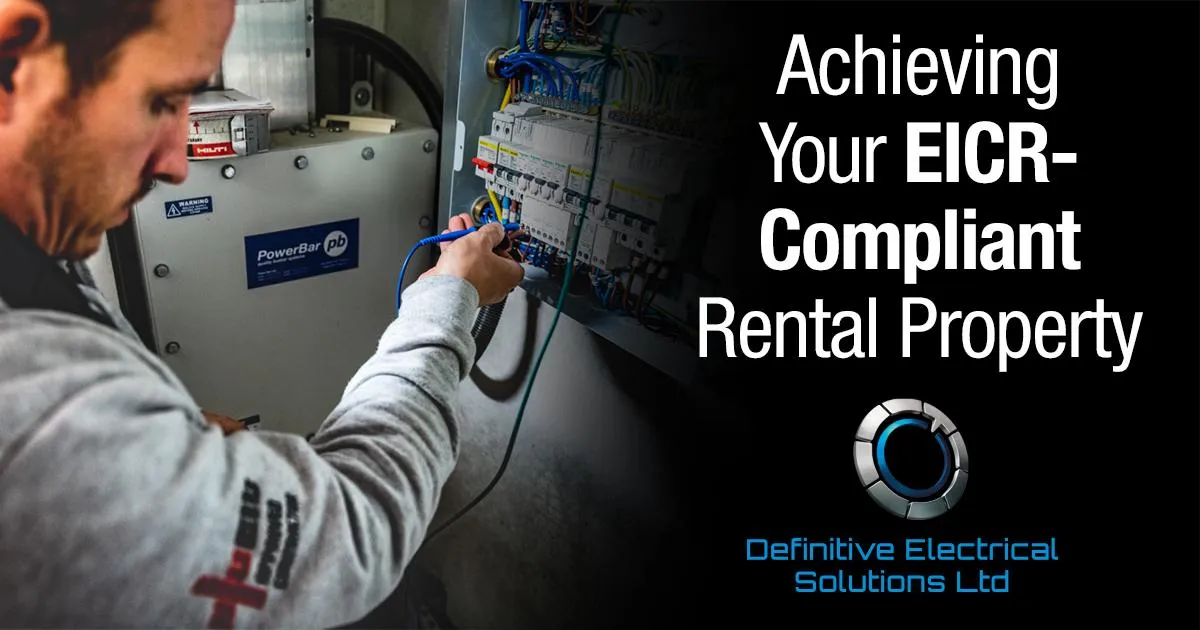
As a landlord, understanding your electrical maintenance responsibilities is crucial for ensuring tenant safety and compliance with legal regulations. This article delves into the essential aspects of landlord electrical maintenance, including legal inspection requirements, effective use of compliance checklists, repair responsibilities, and how to choose professional services. Many landlords may find themselves overwhelmed by the complexities of electrical safety regulations, but this guide aims to clarify these responsibilities and provide actionable insights. We will explore the legal obligations for electrical inspections, the importance of maintenance checklists, common repair issues, and tenant rights regarding electrical safety. By the end of this article, you will have a comprehensive understanding of your responsibilities and how to fulfil them effectively.
Back to top1) What Are the Legal Electrical Inspection Requirements for Landlords?
Landlords in the UK are legally obligated to ensure that electrical installations in their properties are safe and well-maintained. This includes conducting regular inspections and obtaining necessary certifications to demonstrate compliance with electrical safety regulations. Failure to adhere to these requirements can result in severe penalties, including fines and potential legal action. Understanding these legal obligations is essential for maintaining a safe living environment for tenants and protecting your investment.
The broader landscape of regulatory changes continually shapes these landlord responsibilities and the private rented sector.
Regulatory Reform Impact on Private Rented Sector & Landlord Compliance
1. The Department of Levelling Up, Housing and Communities (DLUHC) is piloting legislation that will reform the regulation of the private rented sector in England (the Renters (Reform) Bill, 2023). All regulatory changes have the potential to influence the operation of a market. The question is the nature and extent of those changes and the market responses they elicit. This report aims to review the evidence regarding the impacts that regulatory change in the private rental market might be expected to have on housing supply, quality, landlords’ investment/disinvestment decisions, and other important societal outcomes. The focus is on non-price regulation.
The impact of regulatory reform on the private rented sector, K Gibb, 2020
1.1) How Often Must Landlords Conduct Electrical Installation Condition Reports?
Landlords must conduct Electrical Installation Condition Reports (EICRs) at least every five years or at the change of tenancy, whichever comes first. This regular inspection ensures that all electrical installations are safe and compliant with current regulations. Delays in conducting these inspections can lead to serious safety risks and legal repercussions, making it vital for landlords to schedule these assessments promptly.
1.2) What UK Electrical Safety Regulations Must Landlords Comply With?
Landlords must comply with several key UK electrical safety regulations, including the Electrical Safety Standards in the Private Rented Sector (England) Regulations 2020. These regulations mandate that landlords ensure their electrical installations are safe and that they provide tenants with a copy of the EICR. Non-compliance can result in significant penalties, including fines and restrictions on renting properties. Understanding these regulations is crucial for landlords to avoid legal issues and ensure tenant safety.
Further emphasizing the legal framework, research highlights the specific requirements for these safety checks.
Landlord Electrical Safety Checks: Requirements & Qualified PersonsBack to top
2020 regular electrical safety checks were required to be undertaken by qualified persons for all rented properties (UKL 2015a; DLUHC 2020).
The impact of regulatory reform on the private rented sector, A Marsh, 2020
2) How to Use a Landlord Electrical Compliance Checklist Effectively?

A landlord electrical compliance checklist is an invaluable tool for ensuring that all necessary safety measures are in place. By utilizing a checklist, landlords can systematically assess their properties and ensure compliance with electrical safety regulations. This proactive approach not only enhances tenant safety but also helps landlords avoid potential legal issues.
2.1) What Key Items Should Be Included in an Electrical Maintenance Checklist?
An effective electrical maintenance checklist should include the following key items:
- EICR Status: Ensure the latest Electrical Installation Condition Report is available and up to date.
- Visual Inspections: Regularly check for visible signs of wear or damage to electrical installations.
- Testing of Appliances: Verify that all electrical appliances provided to tenants are safe and regularly tested.
Including these items in your checklist will help maintain a safe environment for tenants and ensure compliance with legal requirements.
2.2) How Does the Checklist Help Ensure Tenant Electrical Safety?
Using a compliance checklist significantly enhances tenant electrical safety by providing a structured approach to maintenance. It ensures that all critical safety checks are performed regularly, reducing the risk of electrical faults and hazards. Furthermore, a well-maintained checklist serves as documentation that can be invaluable in case of disputes or inspections, demonstrating the landlord's commitment to safety and compliance.
Back to top3) What Are Your Landlord Electrical Repair Responsibilities?

Landlords have a legal obligation to ensure that electrical systems in their properties are safe and functioning correctly. This includes addressing any electrical faults promptly to prevent potential hazards. Understanding these responsibilities is essential for maintaining tenant safety and avoiding legal repercussions.
3.1) Which Common Electrical Faults Must Landlords Address Promptly?
Common electrical faults that landlords must address include:
- Flickering Lights: This may indicate faulty wiring or a failing circuit.
- Tripped Circuit Breakers: Frequent tripping can signal an overloaded circuit or a short circuit.
- Burning Smells: Any burning smell from electrical outlets or appliances should be investigated immediately.
Addressing these issues promptly is crucial for ensuring tenant safety and maintaining compliance with electrical safety regulations.
3.2) How to Manage Electrical Fault Repairs to Maintain Compliance?
To effectively manage electrical fault repairs, landlords should:
- Document Repairs: Keep detailed records of all repairs and maintenance performed.
- Hire Qualified Professionals: Ensure that all electrical work is carried out by qualified electricians to meet safety standards.
- Communicate with Tenants: Maintain open communication with tenants regarding any repairs and safety measures being implemented.
By following these steps, landlords can ensure that they remain compliant with regulations while providing a safe living environment for their tenants.
Back to top4) How to Choose Professional Electrical Inspection and Maintenance Services?
Selecting the right electrical inspection and maintenance services is vital for ensuring compliance and safety. Landlords should consider several factors when choosing a service provider to ensure they receive quality and reliable service.
4.1) What Qualifications Should You Look for in an Electrical Inspector?
When selecting an electrical inspector, landlords should look for:
- Certification: Ensure the inspector holds relevant qualifications and certifications, such as NICEIC or ELECSA.
- Experience: Choose inspectors with a proven track record in residential electrical inspections.
- Insurance: Verify that the inspector has adequate insurance coverage for liability.
These qualifications are essential for ensuring that the inspection is thorough and compliant with current regulations.
4.2) How to Evaluate Service Packages and Pricing for EICR Testing?
When evaluating service packages for EICR testing, landlords should consider:
- Scope of Services: Ensure the package includes a comprehensive inspection and report.
- Pricing Transparency: Look for clear pricing structures without hidden fees.
- Customer Reviews: Check reviews and testimonials from previous clients to gauge the quality of service.
By carefully evaluating these factors, landlords can select a service provider that meets their needs and budget while ensuring compliance with electrical safety regulations.
Back to top5) What Are Tenant Electrical Safety Rights and How Do They Affect Landlord Duties?
Tenants have specific rights regarding electrical safety that landlords must respect. Understanding these rights is crucial for maintaining a positive landlord-tenant relationship and ensuring compliance with legal obligations.
5.1) How Does Tenant Safety Influence Landlord Electrical Maintenance?
Tenant safety significantly influences landlord electrical maintenance practices. Landlords are legally required to ensure that all electrical installations are safe and well-maintained. This obligation extends to providing tenants with information about electrical safety and ensuring that any reported issues are addressed promptly. By prioritising tenant safety, landlords can foster a positive living environment and reduce the risk of legal disputes.
5.2) What Communication Should Landlords Maintain with Tenants Regarding Electrical Safety?
Effective communication regarding electrical safety is essential for landlords. Landlords should:
- Provide Safety Information: Share information about electrical safety practices and emergency procedures with tenants.
- Encourage Reporting: Encourage tenants to report any electrical issues or concerns immediately.
- Follow Up on Repairs: After repairs, follow up with tenants to ensure their satisfaction and address any lingering concerns.
Maintaining open lines of communication helps build trust and ensures that tenants feel safe in their homes.
It's also important to consider EICR tests for peace of mind and compliance in 2024.
Back to top- Log in to post comments