
Table of Contents
- What Are the Essential Electrical Safety Inspections for Landlords?
- What Are the Legal Electrical Compliance Regulations for Landlords in the UK?
- How Often Should Electrical Testing and Inspections Be Conducted for Rental Properties?
- How to Choose Professional Property Electrical Testing Services?
- What Does an Electrical Safety Certificate for Rental Properties Include?
- What Are Common Landlord Concerns and FAQs About Electrical Safety Compliance?
Landlord Electrical Requirements Explained: Ensuring Compliance and Safety in Property Management
Understanding the electrical requirements for landlords is crucial for ensuring the safety and compliance of rental properties. This article delves into the essential electrical safety inspections, legal regulations, and best practices for property management. Landlords often face challenges in navigating the complex landscape of electrical compliance, which can lead to significant risks if not addressed properly. By exploring the necessary inspections, legal obligations, and how to choose qualified professionals, landlords can mitigate risks and ensure their properties meet safety standards. This guide will cover essential electrical safety inspections, legal compliance regulations, testing frequencies, and tips for selecting professional electrical services.
Back to top1) What Are the Essential Electrical Safety Inspections for Landlords?
Electrical safety inspections are vital for landlords to ensure that their properties are safe for tenants. These inspections typically include a thorough examination of the electrical systems, identifying any potential hazards, and ensuring compliance with safety standards. One of the most critical components of these inspections is the "Electrical Installation Condition Report (EICR)", which assesses the condition of the electrical installations and identifies any necessary remedial work. Regular inspections not only protect tenants but also safeguard landlords from legal liabilities.
Further research emphasizes the importance of comprehensive electrical safety inspections in preventing fires and shocks, proposing detailed methodologies for thorough assessments.
Electrical Safety Inspections: Preventing Fires & Shocks
This paper presents improved measures for the prevention of electrical fires and electric shock. Based on extensive study of the current standards and literature, as well as on the analysis of the results of long-lasting experimental work (2011–2022), original and comprehensive questionnaires specifically designed for periodic verifications of low-voltage electrical installations in buildings are proposed, related to visual inspection, functionality checks and thermal imaging inspection. The questionnaires overcome the disadvantages of incomplete regulations and currently used safety procedures in this field, ensuring thorough safety assessments, facilitating verification activities, maximizing operator’s efficiency and preventing some of the necessary activities to be overlooked.
An improved methodology for periodic verifications of low-voltage electrical installations, M Kostic, 2010
1.1) Understanding Electrical Installation Condition Reports for Rental Properties
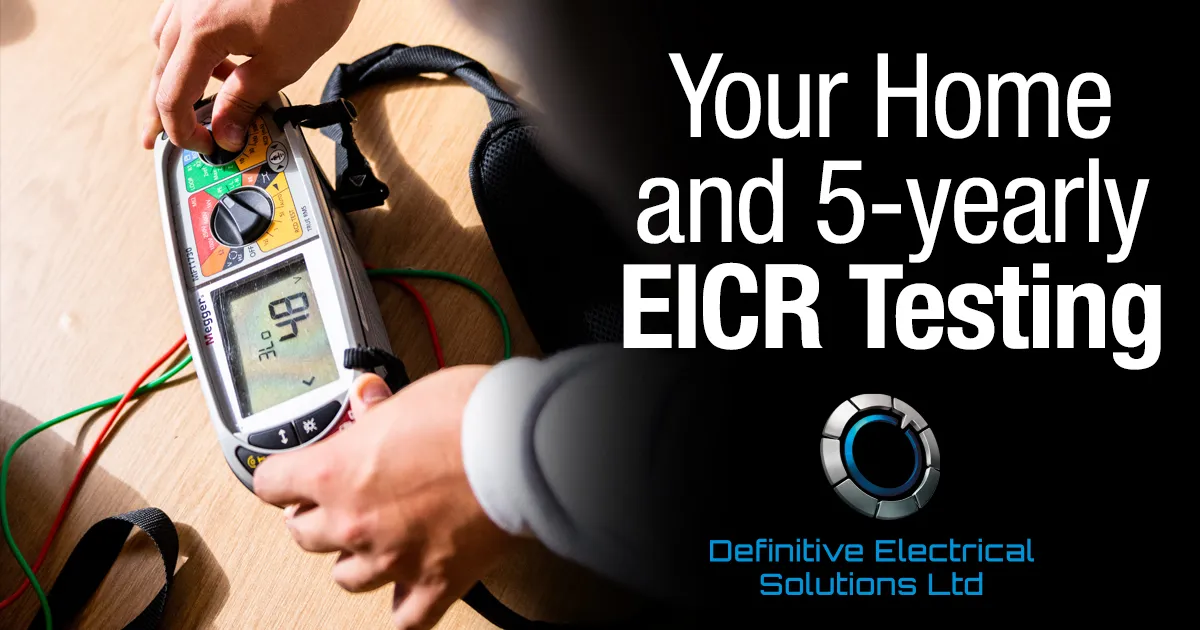
An Electrical Installation Condition Report (EICR) is a comprehensive assessment of a property's electrical systems. It includes details about the condition of wiring, sockets, and other electrical components. The EICR ensures that the electrical installations are safe and compliant with current regulations. This report is essential for landlords as it provides a clear record of the electrical safety status of their properties, helping to prevent accidents and ensuring tenant safety.
1.2) Who Is Qualified to Conduct Landlord Electrical Safety Inspections?
Qualified electricians are essential for conducting landlord electrical safety inspections. These professionals must possess the necessary certifications and training to perform thorough assessments. Certification bodies, such as the National Inspection Council for Electrical Installation Contracting (NICEIC) and the Electrical Contractors' Association (ECA), provide accreditation to electricians who meet specific standards. Landlords should ensure that the electricians they hire have the appropriate qualifications and experience to conduct these inspections effectively.
Back to top2) What Are the Legal Electrical Compliance Regulations for Landlords in the UK?
In the UK, landlords are required to comply with various electrical safety regulations to ensure tenant safety. The Electrical Safety Standards in the Private Rented Sector (England) Regulations 2020 mandate that landlords must have their electrical installations inspected and tested at least every five years. Failure to comply with these regulations can result in significant penalties, including fines and legal action.
2.1) Key UK Electrical Safety Standards and Their Impact on Property Management
Key electrical safety standards, such as the IET Wiring Regulations (BS 7671), outline the requirements for electrical installations in residential properties. These standards impact property management by establishing the minimum safety requirements that landlords must adhere to. Compliance with these standards not only protects tenants but also enhances the overall reputation of the property and the landlord.
2.2) What Are the Consequences of Failing to Meet Electrical Compliance Requirements?
Failing to meet electrical compliance requirements can have serious consequences for landlords. Legal repercussions may include fines, enforcement actions, and potential criminal charges. Additionally, non-compliance can lead to financial penalties and increased insurance premiums. Most importantly, it poses a significant risk to tenant safety, which can result in severe injuries or fatalities.
Back to top3) How Often Should Electrical Testing and Inspections Be Conducted for Rental Properties?
Regular electrical testing and inspections are crucial for maintaining the safety of rental properties. The frequency of these inspections depends on various factors, including the age of the electrical installations and the type of property. Generally, landlords should ensure that their properties undergo EICR testing at least every five years, or sooner if there are any changes to the electrical system.
3.1) Understanding the Required Frequency of EICR Testing for Landlords
The required frequency of "EICR testing" for landlords is typically every five years, as mandated by UK regulations. However, properties with older electrical systems or those that have undergone significant renovations may require more frequent inspections. Landlords should stay informed about the condition of their electrical installations and schedule inspections accordingly to ensure compliance and safety.
3.2) What Are the Recommended Maintenance and Retesting Intervals?
In addition to EICR testing, landlords should establish a maintenance schedule for their electrical systems. Regular maintenance can help identify potential issues before they become serious problems. It is recommended that landlords conduct visual inspections annually and schedule comprehensive EICR testing every five years. This proactive approach can significantly reduce the risk of electrical failures and enhance tenant safety.
Back to top4) How to Choose Professional Property Electrical Testing Services?
Selecting the right electrical testing service is essential for ensuring compliance and safety in rental properties. Landlords should consider several factors when choosing a professional service, including qualifications, experience, and customer reviews. A thorough vetting process can help landlords find reliable electricians who can provide high-quality inspections and testing.
4.1) What Qualifications and Certifications Should Landlords Look for in Electricians?
When choosing electricians for electrical testing, landlords should look for professionals with relevant qualifications and certifications. Key certifications include those from NICEIC, ECA, and other recognized bodies. Additionally, electricians should have experience in residential properties and a solid understanding of current electrical safety regulations.
4.2) Comparing Service Packages and Costs for Electrical Safety Inspections
Landlords should compare service packages and costs when selecting electrical testing services. Different providers may offer varying levels of service, from basic inspections to comprehensive EICR testing. It is essential to evaluate the value for money and ensure that the chosen service meets all legal requirements.
| Service Package | Description | Cost |
|---|---|---|
| Basic Inspection | Visual inspection of electrical systems | £100 |
| EICR Testing | Comprehensive assessment and report | £200 |
| Full Service | EICR testing plus remedial work | £400 |
This comparison highlights the importance of understanding the different service options available to landlords, ensuring they choose the best fit for their needs.
Back to top5) What Does an Electrical Safety Certificate for Rental Properties Include?
An electrical safety certificate is a crucial document for landlords, confirming that their electrical installations meet safety standards. This certificate is issued following a successful EICR test and outlines the condition of the electrical systems within the property.
5.1) Components and Validity Period of Electrical Safety Certificates
Electrical safety certificates typically include details about the property, the date of the inspection, and the findings of the EICR. The validity period of these certificates is usually five years, after which a new inspection is required. Landlords must keep these certificates on file and provide copies to tenants upon request.
5.2) How to Interpret and Use Your Electrical Safety Certificate Effectively
Understanding how to interpret an electrical safety certificate is essential for landlords. The certificate will indicate whether the electrical installations are safe, any remedial work required, and the next inspection date. Landlords should use this information to ensure ongoing compliance and address any issues promptly.
Back to top6) What Are Common Landlord Concerns and FAQs About Electrical Safety Compliance?
Landlords often have concerns regarding electrical safety compliance, particularly about the implications of failing to meet regulations. Addressing these concerns is vital for ensuring that landlords understand their responsibilities and the importance of compliance.
6.1) What Happens If a Landlord Fails Electrical Safety Checks?
If a landlord fails to conduct necessary electrical safety checks, they may face legal consequences, including fines and potential criminal charges. Additionally, non-compliance can lead to increased liability in the event of an accident or injury related to electrical issues. It is crucial for landlords to prioritise electrical safety to protect both their tenants and themselves.
6.2) How Can Landlords Mitigate Risks Through Electrical Safety Services?
Landlords can mitigate risks by investing in professional electrical safety services. Regular inspections, timely maintenance, and hiring qualified electricians are essential steps in ensuring compliance and safety. By prioritising electrical safety, landlords can create a secure living environment for their tenants and protect their investment.
To ensure safety and gain peace of mind, consider "EICR tests" for your East Midlands households in 2024.
For local businesses, ensuring safety and compliance through "EICRs" is crucial, as highlighted in this case study.
Understanding "what EICR report" entails is essential for East Midlands homes.
It's important to remember "when did you last have EICR" for your home in East Nottingham.
Back to top- Log in to post comments