
Table of Contents
- What Defines an Electrical Emergency and When Should You Call for Urgent Electrical Services?
- Why Is Quick Response Critical in Emergency Electrical Repairs?
- How Do Electrical Installation Condition Reports Support Emergency Prevention?
- What to Expect from Professional Emergency Electrician Services Offering Immediate Electrical Help
- What Are Safety Tips and Best Practices During Electrical Emergencies?
Emergency Electrical Repairs: Why Quick Response Matters for Immediate Electrical Help
Electrical emergencies can arise unexpectedly, posing significant risks to safety and property. Understanding the importance of quick response in these situations is crucial for minimizing damage and ensuring safety. This article delves into the nature of electrical emergencies, the critical need for rapid response, and how proper maintenance can prevent such incidents. Readers will learn about common electrical emergencies, the role of Electrical Installation Condition Reports (EICRs), and what to expect from professional emergency electrician services. By the end, you will have a comprehensive understanding of how to handle electrical emergencies effectively and safely.
Back to top1) What Defines an Electrical Emergency and When Should You Call for Urgent Electrical Services?
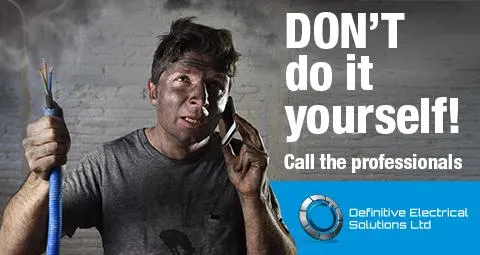
An electrical emergency is a situation that poses an immediate risk to life, property, or the environment due to electrical faults. Recognising these emergencies is vital for ensuring timely intervention and preventing further complications. Common scenarios include power outages caused by faulty wiring, exposed wires, or electrical fires. Understanding when to call for urgent electrical services can save lives and property.
1.1) How to Identify Common Electrical Emergencies Requiring Fast Electrical Fault Repair
Identifying electrical emergencies quickly can prevent serious consequences. Here are some common signs that indicate an urgent need for electrical fault repair:
- Flickering Lights: Frequent flickering can signal wiring issues or overloaded circuits.
- Burning Smell: A burning odour near outlets or appliances often indicates overheating wires or devices.
- Tripped Circuit Breakers: Regularly tripped breakers may suggest a serious electrical fault that needs immediate attention.
Recognising these signs can help you act swiftly and call for professional help.
1.2) What Qualifies as an Emergency for 24 Hour Electrical Repair Services?
Certain situations necessitate 24-hour electrical repair services. These include:
- Electrical Fires: Any sign of smoke or flames requires immediate action.
- Severe Power Outages: Extended outages, especially in extreme weather, can be dangerous.
- Exposed Wires: Any visible wiring that poses a risk of shock or fire should be addressed immediately.
Understanding these criteria ensures that you know when to seek urgent assistance.
The critical need for reliable emergency electrical supply, especially during power failures, is further underscored by expert analysis.
Essential Emergency Electrical Supply for Power FailureBack to top
Emergency electrical supply is essential throughout, not only for power failure but also in the
Emergency services, M Bowman, 2018
2) Why Is Quick Response Critical in Emergency Electrical Repairs?
Quick response in electrical emergencies is essential for several reasons. Delays can lead to increased risks of injury, property damage, and even fatalities. Rapid intervention can mitigate these risks and restore safety.
2.1) How Does Rapid Response Reduce Electrical Safety Risks and Prevent Damage?
Rapid response significantly reduces safety risks associated with electrical faults. For instance, addressing a small electrical fire immediately can prevent it from spreading and causing extensive damage. Statistics show that timely intervention can reduce the risk of severe injuries by up to 70%. This highlights the importance of having access to emergency electrical services.
The importance of robust emergency power systems and effective risk mitigation strategies, particularly in critical environments, is a well-documented concern.
Emergency Power Systems & Risk Mitigation in Critical Facilities
with an emphasis on electrical power systems in critical environments, including hospitals and data centers. He has worked on numerous emergency power projects in the role of the
Risk mitigation strategies for emergency power upgrades in critical facilities, 2019
2.2) What Are the Typical Response Times for Emergency Electricians Near Me?
Typical response times for emergency electricians can vary based on location and availability. Generally, most emergency electricians aim to respond within 30 minutes to 2 hours. Factors affecting response times include:
- Location: Urban areas often have quicker response times due to proximity.
- Time of Day: Response times may be longer during off-peak hours.
- Service Demand: High demand can lead to delays in response.
Understanding these factors can help set realistic expectations during an emergency.
Back to top3) How Do Electrical Installation Condition Reports Support Emergency Prevention?
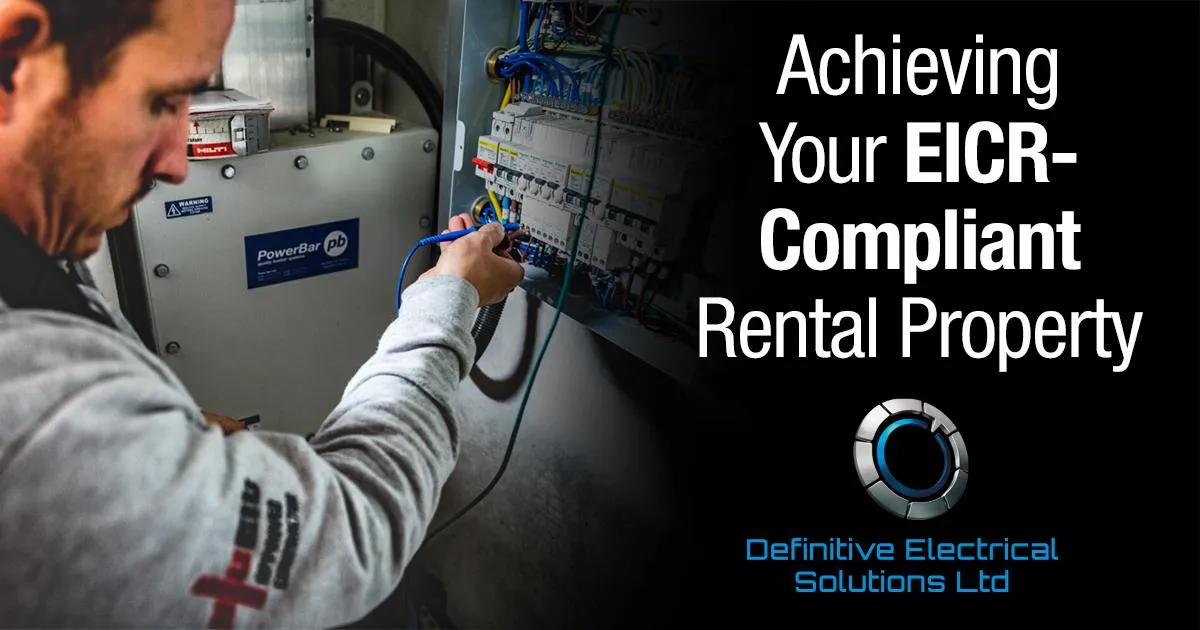
Electrical Installation Condition Reports (EICRs) play a crucial role in preventing electrical emergencies. These reports assess the safety and condition of electrical installations, identifying potential hazards before they escalate into emergencies.
3.1) What Role Do EICRs Play in Ensuring Electrical Safety Compliance?
EICRs are essential for ensuring compliance with safety regulations. They provide a detailed assessment of electrical systems, highlighting areas that require attention. Regular inspections can help maintain safety standards and prevent electrical faults that could lead to emergencies.
3.2) How Can Regular EICRs Minimise the Need for Emergency Electrical Repairs?
Conducting regular EICRs can significantly reduce the likelihood of electrical emergencies. By identifying and addressing issues early, property owners can avoid costly repairs and ensure a safe environment. For instance, outdated wiring can be replaced before it causes a fire, demonstrating the preventative benefits of EICRs.
Studies consistently highlight the critical role of regular inspections and adherence to regulations in maintaining domestic electrical safety and preventing hazards.
Domestic Electrical Safety: Inspections & RegulationsBack to top
Current literature indicates that the poor condition of domestic electrical installations throughout Europe has raised concerns in respect of the safety of the owner/occupier. This study addresses: The quality of Domestic electrical installations, periodic testing, inspection and verification; The Rules and regulations as developed by relevant stake holder s within the sector and enforced by the statutory bodies; Testing requirements in domestic electrical installatio
An Audit in respect of the Electrical Safety Implications for Domestic Electrical Installations, 2012
4) What to Expect from Professional Emergency Electrician Services Offering Immediate Electrical Help
When you call for emergency electrical services, understanding what to expect can ease the process. Professional electricians are trained to handle a variety of emergencies efficiently and safely.
4.1) Which Qualifications and Certifications Should Emergency Electricians Hold?
Emergency electricians should possess specific qualifications and certifications to ensure they are equipped to handle electrical emergencies. Key certifications include:
- City & Guilds 2365: Indicates competence in electrical installation.
- Part P Certification: Ensures compliance with building regulations.
- NICEIC Registration: Confirms adherence to safety standards.
Verifying these qualifications can provide peace of mind when seeking emergency services.
4.2) How Do 24 Hour Electrical Repair Services Operate in Nottingham and East Midlands?
In Nottingham and the East Midlands, 24-hour electrical repair services operate by providing immediate assistance to those in need. These services typically include:
- Rapid Response Teams: Trained professionals ready to address emergencies at any hour.
- Comprehensive Assessments: Thorough evaluations of the electrical system to identify issues.
- Safety Protocols: Strict adherence to safety regulations to protect both the electrician and the property owner.
Understanding how these services operate can help you feel more prepared in an emergency.
Back to top5) What Are Safety Tips and Best Practices During Electrical Emergencies?

During an electrical emergency, knowing how to stay safe is paramount. Here are some essential safety tips to follow:
- Avoid Water: Never use water to extinguish electrical fires; instead, use a fire extinguisher rated for electrical fires.
- Stay Calm: Panic can lead to poor decision-making; remain calm and assess the situation.
- Call for Help: Always contact a professional electrician for assistance.
These practices can help ensure your safety while waiting for urgent electrical services.
5.1) How to Stay Safe While Waiting for Urgent Electrical Services?
While waiting for emergency services, take the following precautions:
- Turn Off Power: If safe to do so, switch off the main power supply to prevent further hazards.
- Clear the Area: Remove any flammable materials from the vicinity of the electrical fault.
- Communicate Clearly: Provide clear information to emergency services about the situation.
These steps can help mitigate risks until professional help arrives.
5.2) What Precautions Prevent Further Electrical Hazards Before Repairs?
To prevent further hazards before repairs, consider these precautions:
- Secure the Area: Ensure that the area is safe and restrict access to unauthorized individuals.
- Use Warning Signs: Place signs to alert others of the electrical hazard.
- Document the Issue: Take notes or photos of the problem for the electrician to review.
Implementing these precautions can help maintain safety until the issue is resolved.
To ensure your home is safe, it's important to understand EICR tests are conducted regularly.
For businesses in the East Midlands, understanding EICRs is crucial for compliance and safety.
Many rental properties need EICR to ensure tenant safety and meet legal requirements.
Back to top- Log in to post comments