
Table of Contents
- What Are the Legal Requirements for Landlord Electrical Safety in 2026?
- How Does an Electrical Installation Condition Report Protect Landlords?
- What Is the Step-by-Step Electrical Installation Process for Rental Properties?
- How to Choose a Certified Electrician for Landlord Electrical Installations?
- What Are the Costs and Scheduling Considerations for Landlord Electrical Inspections?
- What Are Recent Case Studies and Compliance Success Stories for Landlord Electrical Safety?
Electrical Installations for Landlords: Essential Guide to Compliance and Safety
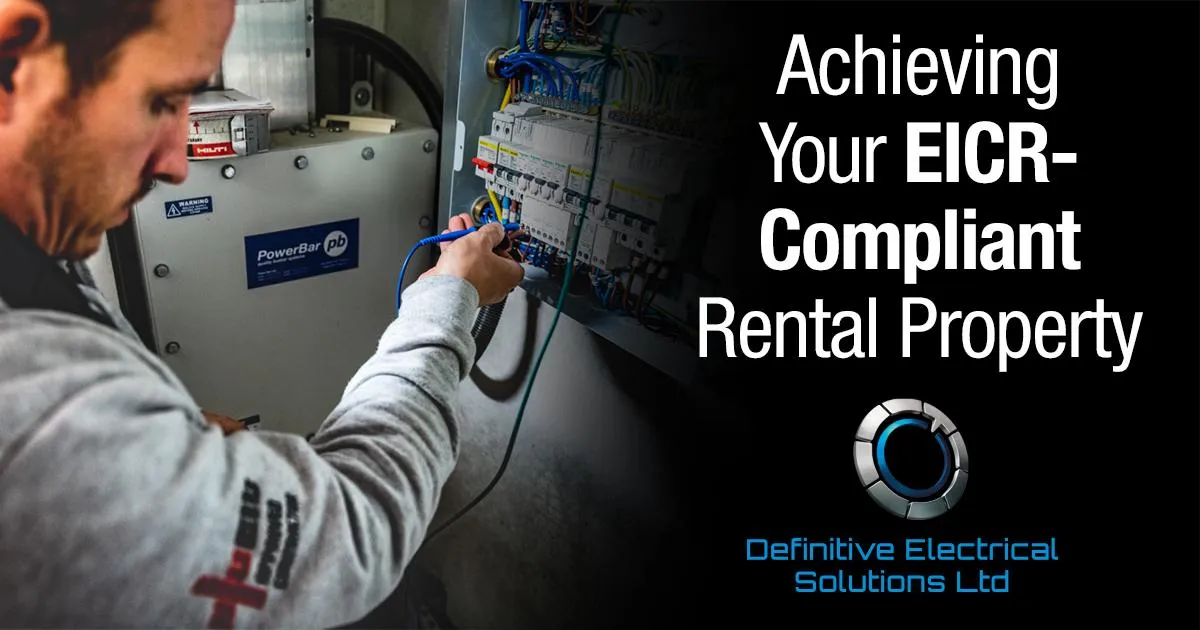
Electrical installations are a critical aspect of property management for landlords, ensuring both compliance with legal standards and the safety of tenants. This guide provides essential information on the legal requirements, the importance of Electrical Installation Condition Reports (EICRs), and the process of electrical installations. Landlords often face challenges in navigating the complex regulations surrounding electrical safety, which can lead to significant penalties if not adhered to. By understanding these requirements and implementing best practices, landlords can protect their properties and tenants effectively. This article will cover the legal requirements for electrical safety, the role of EICRs, the installation process, how to choose a certified electrician, cost considerations, and recent case studies highlighting compliance success.
Back to top1) What Are the Legal Requirements for Landlord Electrical Safety in 2026?

In 2026, landlords in the UK must adhere to specific legal requirements regarding electrical safety to ensure the well-being of their tenants. These regulations are designed to protect tenants from electrical hazards and ensure that rental properties are safe and compliant.
1.1) Which UK regulations govern landlord electrical safety?
The primary regulations governing landlord electrical safety include the Electrical Safety Standards in the Private Rented Sector (England) Regulations 2020, which mandate that all electrical installations in rented properties must be inspected and tested at least every five years. Additionally, landlords must ensure that any electrical work is carried out by a qualified electrician, adhering to the UK Wiring Regulations (BS 7671). Non-compliance with these regulations can result in significant penalties, including fines and potential legal action.
1.2) What are landlords' responsibilities for rental property electrical compliance?
Landlords are responsible for ensuring that their properties meet electrical safety standards. This includes conducting regular inspections, maintaining electrical installations, and providing tenants with a copy of the EICR. Furthermore, landlords must ensure that any electrical work is performed by a qualified and registered electrician. Failure to comply with these responsibilities can lead to serious consequences, including financial penalties and increased liability in the event of an accident.
Back to top2) How Does an Electrical Installation Condition Report Protect Landlords?
An Electrical Installation Condition Report (EICR) is a crucial document that assesses the safety and compliance of electrical installations in rental properties. It provides landlords with a comprehensive overview of the electrical system's condition and identifies any necessary repairs or upgrades.
2.1) What is an EICR and why is it crucial for rental properties?
An EICR is a formal document produced following an inspection of the electrical installations within a property. It details the condition of the wiring, sockets, and other electrical components, highlighting any issues that may pose a risk to safety. This report is essential for landlords as it not only ensures compliance with legal requirements but also protects tenants from potential electrical hazards.
2.2) How often must landlords obtain an EICR?
Landlords are required to obtain an EICR at least every five years, or whenever there is a change of tenancy. However, it is advisable to conduct inspections more frequently, especially in older properties or those with a history of electrical issues. Regular EICRs help landlords maintain safe living conditions and avoid penalties associated with non-compliance.
Back to top3) What Is the Step-by-Step Electrical Installation Process for Rental Properties?
The electrical installation process for rental properties involves several key steps to ensure safety and compliance with regulations. Understanding this process is vital for landlords to ensure that their properties are equipped with safe and reliable electrical systems.
3.1) How do certified electricians perform electrical installations for landlords?
Certified electricians follow a systematic approach when performing electrical installations. This typically includes an initial assessment of the property, planning the installation layout, and ensuring that all work complies with the relevant regulations. Electricians will also conduct thorough testing of the installations to ensure they meet safety standards before finalising the work.
3.2) What safety checks and fault detections are included during installation?
During the installation process, electricians perform various safety checks and fault detections. These include testing for proper earthing, checking circuit integrity, and ensuring that all installations are compliant with the UK Wiring Regulations. Additionally, electricians will inspect for potential hazards such as overloaded circuits and faulty wiring, addressing any issues before completing the installation.
Back to top4) How to Choose a Certified Electrician for Landlord Electrical Installations?

Selecting a qualified electrician is crucial for ensuring that electrical installations are performed safely and in compliance with regulations. Landlords should consider several factors when choosing an electrician for their properties.
4.1) What qualifications and certifications should landlords look for?
Landlords should look for electricians who are registered with a recognised body, such as the National Inspection Council for Electrical Installation Contracting (NICEIC) or the Electrical Contractors' Association (ECA). These certifications indicate that the electrician has undergone the necessary training and adheres to industry standards. Additionally, it is essential to verify that the electrician has experience working with rental properties and understands the specific legal requirements.
4.2) Where to find approved electrician services in Nottingham and East Midlands?
Landlords can find approved electrician services through local directories, online platforms, and recommendations from other property owners. It is advisable to obtain multiple quotes and check reviews to ensure that the chosen electrician has a solid reputation for quality work and compliance with regulations.
Back to top5) What Are the Costs and Scheduling Considerations for Landlord Electrical Inspections?
Understanding the costs and scheduling considerations for electrical inspections is essential for landlords to budget effectively and ensure compliance with legal requirements.
5.1) How much does an EICR or electrical installation typically cost?
The cost of an EICR can vary depending on the size of the property and the complexity of the electrical system. On average, landlords can expect to pay between £150 and £200 for an EICR. Electrical installations may incur additional costs, depending on the scope of work required. It is advisable to obtain quotes from multiple electricians to ensure competitive pricing.
5.2) When is the best time to schedule inspections to ensure compliance?
Landlords should schedule inspections at least every five years, but it is also beneficial to conduct them before new tenants move in. This proactive approach helps identify any potential issues and ensures that the property is compliant with current regulations, reducing the risk of penalties.
Back to top6) What Are Recent Case Studies and Compliance Success Stories for Landlord Electrical Safety?
Examining recent case studies can provide valuable insights into how landlords have successfully navigated electrical compliance and improved safety in their properties.
6.1) How have landlords in Nottingham improved safety through electrical compliance?
In Nottingham, several landlords have reported significant improvements in tenant safety and satisfaction after implementing regular EICRs and addressing identified issues promptly. These proactive measures not only enhance tenant safety but also protect landlords from potential legal repercussions associated with non-compliance.
6.2) What penalties have been enforced for non-compliance since 2023?
Since 2023, the enforcement of electrical safety regulations has become more stringent, with penalties for non-compliance increasing significantly. Landlords found to be in violation of electrical safety standards may face fines of up to £30,000, along with potential legal action. This underscores the importance of adhering to electrical safety regulations and maintaining up-to-date EICRs.
To ensure safety and peace of mind, consider scheduling EICR tests for your East Midlands households in 202.
For local businesses, understanding EICRs is crucial for ensuring safety and compliance.
It's also important to know what an EICR report entails for East Midlands homes.
When did you last have an EICR for your home in East Nottingham?
Back to top- Log in to post comments