
Table of Contents
- What Services Are Included in Professional Electrical Installation?
- Why Are Electrical Safety Inspections and EICRs Essential?
- How to Choose a Certified Electrician Near You?
- What Are the Costs and Warranties for Electrical Installation Services?
- How Are Emergency Electrical Repairs Handled by Professionals?
Certified Electrician Near Me: Professional Electrical Installation Services Near You

Finding a certified electrician for professional electrical installation services can be a daunting task, especially with the myriad of options available. This article aims to clarify what services are typically included in electrical installations, the importance of safety inspections, and how to choose the right electrician for your needs. By understanding these aspects, you can make informed decisions that ensure safety and efficiency in your electrical systems. We will explore various topics, including domestic and commercial installations, the significance of Electrical Installation Condition Reports (EICRs), and the costs associated with these services.
Back to top1) What Services Are Included in Professional Electrical Installation?
Professional electrical installation services encompass a wide range of tasks designed to ensure that electrical systems are safe, efficient, and compliant with regulations. These services typically include both domestic and commercial installations, which require different approaches and expertise. Hiring a certified electrician guarantees that the work is performed to the highest standards, minimizing risks associated with electrical faults.
1.1) Domestic Electrical Installation: What to Expect
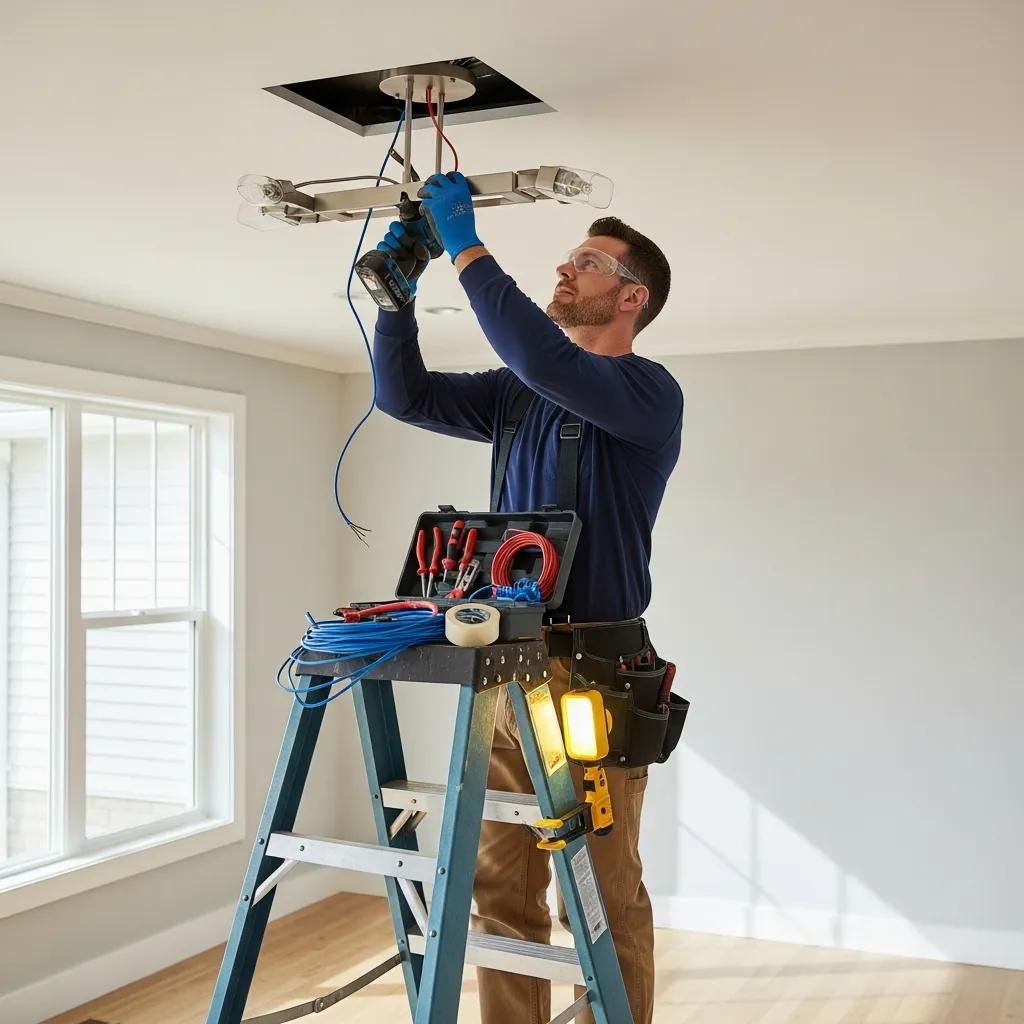
Domestic electrical installations involve the wiring and setup of electrical systems in residential properties. Common tasks include installing lighting fixtures, power outlets, and circuit breakers. Safety considerations are paramount, as improper installations can lead to hazards such as electrical fires or shocks. Typically, the expected timeline for completing domestic installations can range from a few hours to several days, depending on the complexity of the project.
1.2) Commercial Electrical Wiring Services Explained
Commercial electrical wiring services differ significantly from domestic installations due to the scale and regulatory requirements involved. These services may include the installation of complex lighting systems, power distribution networks, and emergency lighting. Compliance with local regulations is crucial, as commercial properties often have stricter safety standards. Project management aspects also play a vital role, ensuring that installations are completed on time and within budget.
Back to top2) Why Are Electrical Safety Inspections and EICRs Essential?
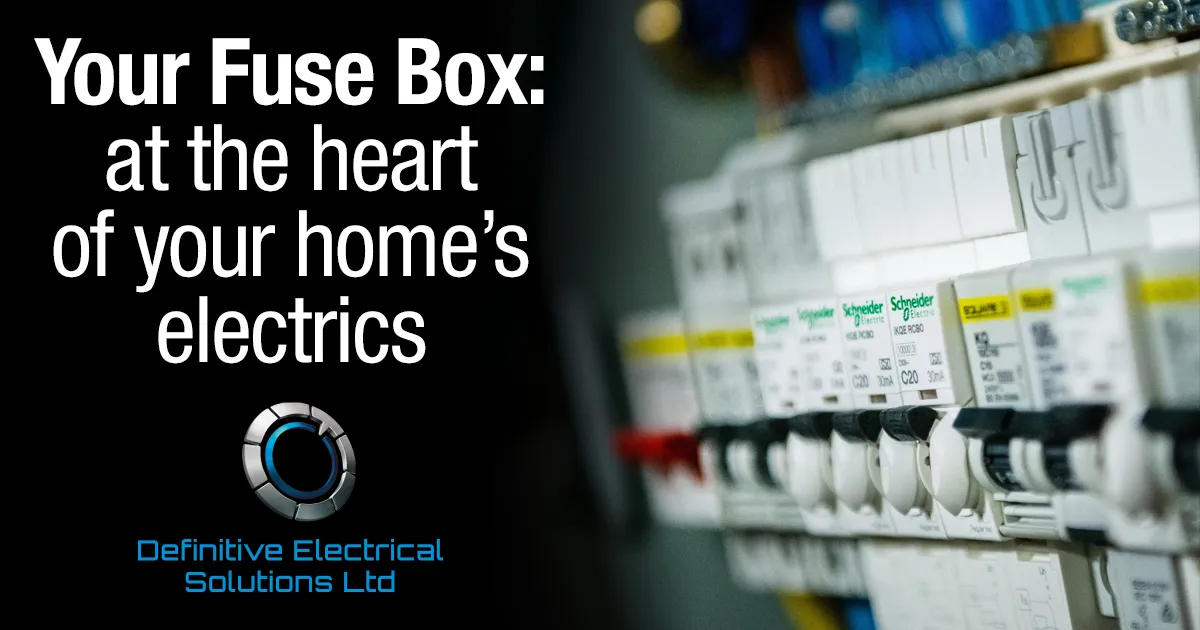
Electrical safety inspections and Electrical Installation Condition Reports (EICRs) are critical for maintaining safe electrical systems. An EICR assesses the condition of electrical installations, identifying any potential hazards or non-compliance with safety standards. Regular inspections are not only a legal requirement but also a proactive measure to prevent electrical accidents.
2.1) How Does an Electrical Installation Condition Report Ensure Safety?
An Electrical Installation Condition Report (EICR) ensures safety by providing a comprehensive evaluation of an electrical system's condition. The process involves checking for issues such as faulty wiring, inadequate earthing, and the functionality of safety devices. Key safety checks include testing circuit breakers and ensuring that all installations comply with current regulations. It is recommended that electrical installations be inspected at least every five years or when there are significant changes to the system.
Further research emphasizes the importance of detailed inspections and comprehensive questionnaires to prevent electrical fires and ensure thorough safety assessments.
Electrical Safety Inspections & Fire Prevention for Buildings
This paper presents improved measures for the prevention of electrical fires and electric shock. Based on extensive study of the current standards and literature, as well as on the analysis of the results of long-lasting experimental work (2011–2022), original and comprehensive questionnaires specifically designed for periodic verifications of low-voltage electrical installations in buildings are proposed, related to visual inspection, functionality checks and thermal imaging inspection. The questionnaires overcome the disadvantages of incomplete regulations and currently used safety procedures in this field, ensuring thorough safety assessments, facilitating verification activities, maximizing operator’s efficiency and preventing some of the necessary activities to be overlooked. The questionnaires can be applied broadly, because they can easily be adapted for use in residential buildings, schools and hotels, as well as modified to be applied in other facilities and countries with different standards and practices.
An improved methodology for periodic verifications of low-voltage electrical installations, M Kostic, 2025
2.2) How Often Should Electrical Installations Be Inspected?
Electrical installations should be inspected regularly to ensure ongoing safety and compliance. The recommended inspection intervals can vary based on the type of installation and its usage. For domestic properties, inspections are typically advised every ten years, while commercial installations may require more frequent checks, often every three to five years. Factors affecting the frequency of inspections include the age of the installation, the type of electrical equipment used, and any changes made to the system. Neglecting regular inspections can lead to serious safety risks and costly repairs.
Back to top3) How to Choose a Certified Electrician Near You?
Choosing the right certified electrician is crucial for ensuring quality and safety in electrical installations. Key qualifications to look for include relevant certifications, experience, and positive customer reviews. Local knowledge can also be beneficial, as electricians familiar with regional regulations can provide better service.
3.1) What Certifications and Qualifications Should Electricians Have?
Electricians should possess specific certifications that demonstrate their competence and adherence to safety standards. Common certifications include the National Inspection Council for Electrical Installation Contracting (NICEIC) and the Electrical Contractors' Association (ECA) accreditation. These qualifications ensure that electricians are trained in the latest safety practices and regulations, providing peace of mind for homeowners and businesses alike.
Adherence to strict safety standards, including those set by regulatory bodies, is fundamental for electricians to ensure workplace safety and minimize risks.
Electrician Safety Standards & OSHA Compliance
Safety and Health Administration (OSHA) set standards that were implemented during the 1993-1996 period. The standards required electricians to reduce their work with live circuits,
Life, limbs, and licensing: Occupational regulation, wages, and workplace safety of electricians, 1992-2007, MM Kleiner, 1992
3.2) Why Local Electrical Contractors Offer Better Service?
Hiring local electrical contractors can offer several advantages over larger, national companies. Local electricians often provide faster response times, as they are familiar with the area and can reach clients more quickly. Additionally, they have a better understanding of local regulations and building codes, ensuring compliance with safety standards. Community reputation also plays a significant role, as local contractors rely on word-of-mouth referrals to grow their business.
Back to top4) What Are the Costs and Warranties for Electrical Installation Services?
Understanding the costs and warranties associated with electrical installation services is essential for budgeting and ensuring long-term satisfaction. Costs can vary significantly based on the type of installation, the complexity of the work, and the materials used. Warranties provide additional assurance that the work will be completed to a high standard and that any issues will be addressed promptly.
4.1) How Much Does Domestic and Commercial Electrical Installation Cost?
The cost of domestic electrical installation typically ranges from £100 to £2,500, depending on the scope of work. For commercial installations, costs can be significantly higher, often starting at £1,000 and going up to £20,000 or more for extensive projects. Factors affecting these costs include the type of services required, the materials used, and the electrician's experience. It is advisable to obtain multiple quotes to ensure competitive pricing.
4.2) What Warranty and Maintenance Services Are Available Post-Installation?
Warranties for electrical installation services can vary, but most reputable electricians offer guarantees ranging from one to three years. These warranties typically cover defects in workmanship and materials, providing peace of mind for clients. Maintenance services may also be available, ensuring that electrical systems remain in good working order and comply with safety standards over time.
Back to top5) How Are Emergency Electrical Repairs Handled by Professionals?
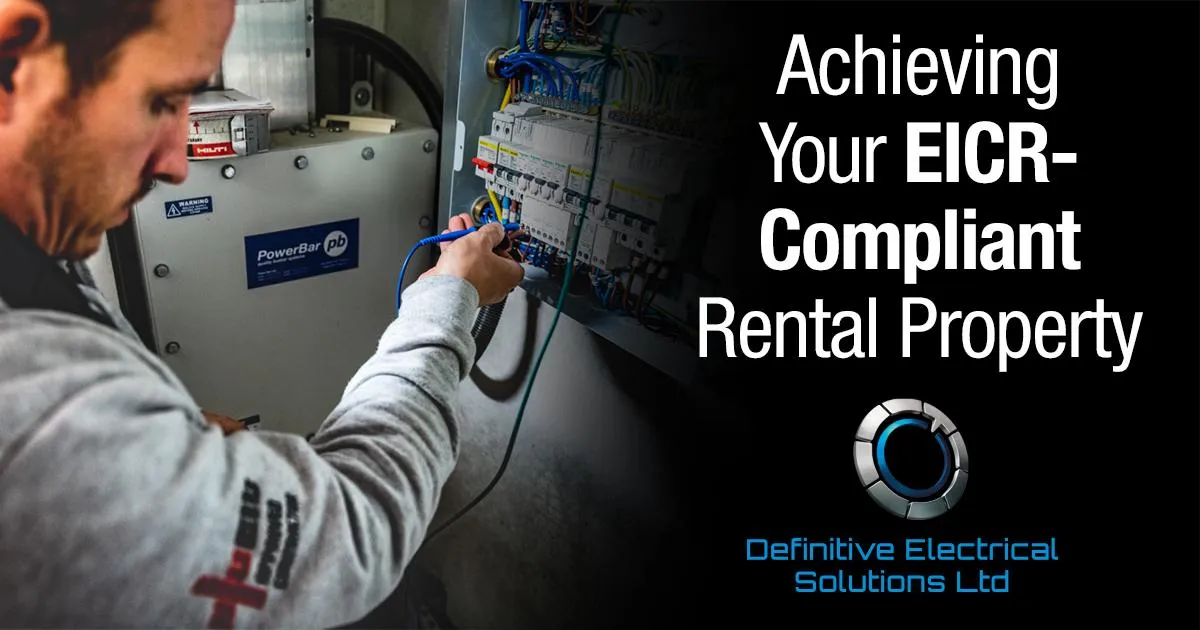
Emergency electrical repairs are critical for addressing urgent issues that pose safety risks. Professionals are trained to handle a variety of emergency situations, ensuring that repairs are conducted safely and efficiently. Common emergency scenarios include power outages, electrical fires, and exposed wiring.
5.1) When Should You Contact an Electrician for Emergency Repairs?
You should contact an electrician for emergency repairs if you experience signs of electrical emergencies, such as flickering lights, burning smells, or tripped circuit breakers. Quick response is essential to prevent further damage or safety hazards. It is crucial to prioritize safety and avoid attempting to resolve electrical issues without professional assistance.
5.2) What Safety Standards Govern Emergency Electrical Repairs?
Emergency electrical repairs are governed by strict safety standards to protect both the electrician and the property owner. These standards include compliance with the IET Wiring Regulations and local building codes. Adhering to these regulations ensures that repairs are conducted safely and effectively, minimizing the risk of future issues.
Meeting comprehensive regulatory requirements, such as the IEE Regulations, is crucial for ensuring the overall safety and integrity of electrical installations.
Electrical Installation Compliance with IEE Regulations
If the electrical installation meets the requirements of the IEE Regulations BS 7671, then it will also meet the requirements
Advanced electrical installation work, 2008
For local businesses in the East Midlands, ensuring safety and compliance is paramount; a recent EICR case study highlights the importance of regular electrical checks.
If you're a landlord, understanding why rental properties need EICRs is crucial for legal compliance and tenant safety.
Staying informed about 2024 EICR tests can provide peace of mind for East Midlands households.
Back to top- Log in to post comments