
Table of Contents
- What Does a Domestic Electrical Installation Include?
- How Much Does Residential Electrical Installation Cost?
- Why Is Electrical Safety Inspection Important After Installation?
- How to Choose a Certified Local Domestic Electrician Near You?
- What Maintenance and Safety Checks Should Follow Installation?
Domestic Electrical Installation Services Near You: What to Expect
When it comes to domestic electrical installation services, understanding what to expect can significantly enhance your experience and ensure safety in your home. This article will guide you through the essential components of residential electrical installations, the costs involved, the importance of safety inspections, and how to choose a certified local electrician. Many homeowners face challenges in finding reliable services and ensuring compliance with safety regulations. By knowing what to look for, you can make informed decisions that protect your home and family. We will explore the key aspects of electrical installations, including the installation process, cost factors, safety inspections, and maintenance checks.
Back to top1) What Does a Domestic Electrical Installation Include?
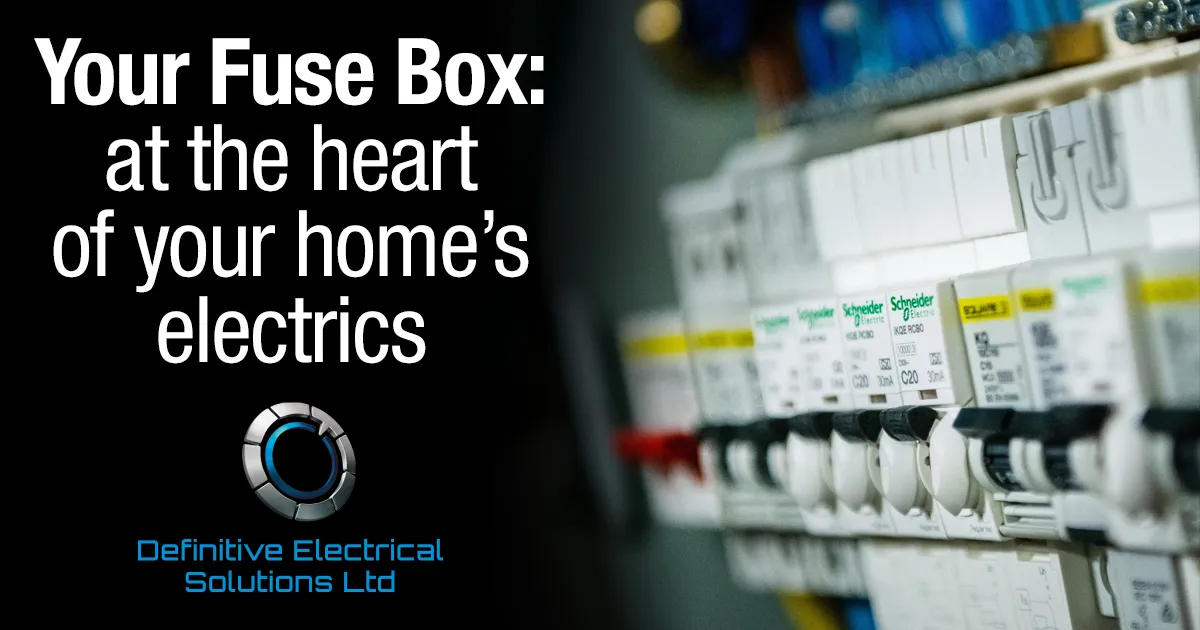
Domestic electrical installations encompass a variety of services aimed at ensuring safe and efficient electrical systems in homes. These installations typically involve the setup of wiring, circuit breakers, and safety switches, which are crucial for the functionality and safety of electrical systems. Understanding the components and processes involved can help homeowners appreciate the complexity and importance of professional installations.
1.1) Overview of Home Electrical Wiring Services and Components
Home electrical wiring services include several critical components that work together to provide safe and reliable electricity. Key elements include:
- Wiring Types: Various types of wiring, such as copper and aluminium, are used depending on the specific needs of the installation.
- Circuit Breakers: These devices protect electrical circuits from overloads and short circuits, ensuring safety.
- Safety Switches: Also known as residual current devices (RCDs), these switches cut off electricity supply in case of a fault, preventing electric shocks.
Understanding these components is essential for homeowners to ensure their electrical systems are up to code and functioning correctly.
1.2) Key Steps in the Residential Electrical Installation Process
The residential electrical installation process involves several key steps to ensure safety and compliance with regulations. These steps typically include:
- Initial Assessment: A qualified electrician evaluates the existing electrical system and determines the necessary upgrades or installations.
- Planning and Design: The electrician designs the layout of the electrical system, including the placement of outlets, switches, and fixtures.
- Installation: The actual installation of wiring, circuit breakers, and safety devices takes place, following all safety regulations.
- Testing and Inspection: After installation, the system is thoroughly tested to ensure it operates correctly and safely.
These steps are crucial for a successful installation, ensuring that the electrical system meets all safety standards.
Beyond these procedural steps, the overarching quality management of residential electrical installations is paramount to address and prevent common issues that compromise safety and project quality.
Quality Management for Residential Electrical Installations & SafetyBack to top
The main objective of this research was to develop a bespoke Quality Management Framework (QMF) tailored specifically for residential electrical works to address and mitigate quality enforcement challenges. Background issues in residential electrical installations, such as inadequate planning, poor materials, insufficient supervision, and regulatory compliance, significantly impact project quality and safety.
Development of A Quality Management Framework for Installation of Electrical works in Residential Settlements., MK Nsefu, 2026
2) How Much Does Residential Electrical Installation Cost?
Understanding the costs associated with residential electrical installations can help homeowners budget effectively. Various factors influence the overall pricing, and being aware of these can lead to more informed decisions.
2.1) Factors Influencing Domestic Electrical Installation Pricing
Several factors can affect the cost of domestic electrical installations, including:
- Material Costs: The type and quality of materials used, such as wiring and fixtures, can significantly impact the overall price.
- Labour Costs: The complexity of the installation and the electrician's experience level can influence labour charges.
- Location: Costs may vary based on geographical location and local market rates for electrical services.
By considering these factors, homeowners can better understand the pricing structure and make informed choices.
2.2) Transparent Cost Breakdown for Home Electrical Services
A transparent cost breakdown for home electrical services can help homeowners anticipate expenses. Here’s a typical breakdown:
| Service | Cost | Description |
|---|---|---|
| Basic Wiring Installation | £500-£1,500 | Installation of new wiring for a standard home. |
| Circuit Breaker Replacement | £100-£300 | Replacement of old or faulty circuit breakers. |
| Safety Switch Installation | £150-£400 | Installation of safety switches to enhance electrical safety. |
This breakdown provides a clear overview of potential costs associated with common electrical services, helping homeowners plan their budgets effectively.
Back to top3) Why Is Electrical Safety Inspection Important After Installation?
Electrical safety inspections are crucial after any installation to ensure compliance with safety standards and regulations. These inspections help identify potential hazards and ensure that the electrical system operates safely.
3.1) Role of Electrical Installation Condition Reports in Safety Compliance
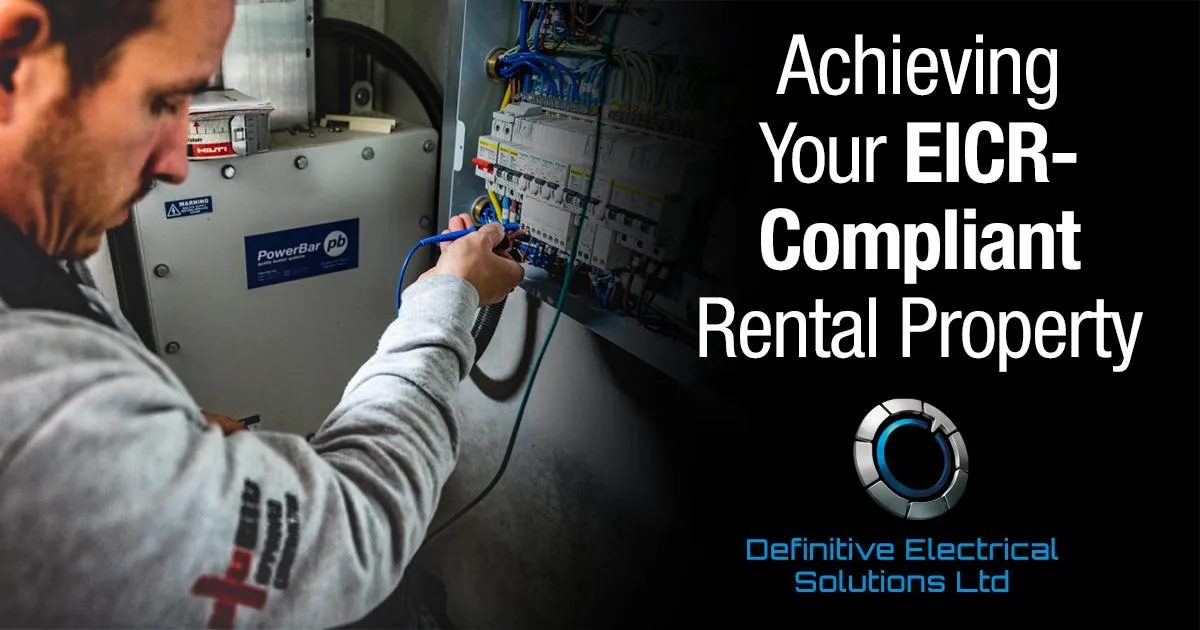
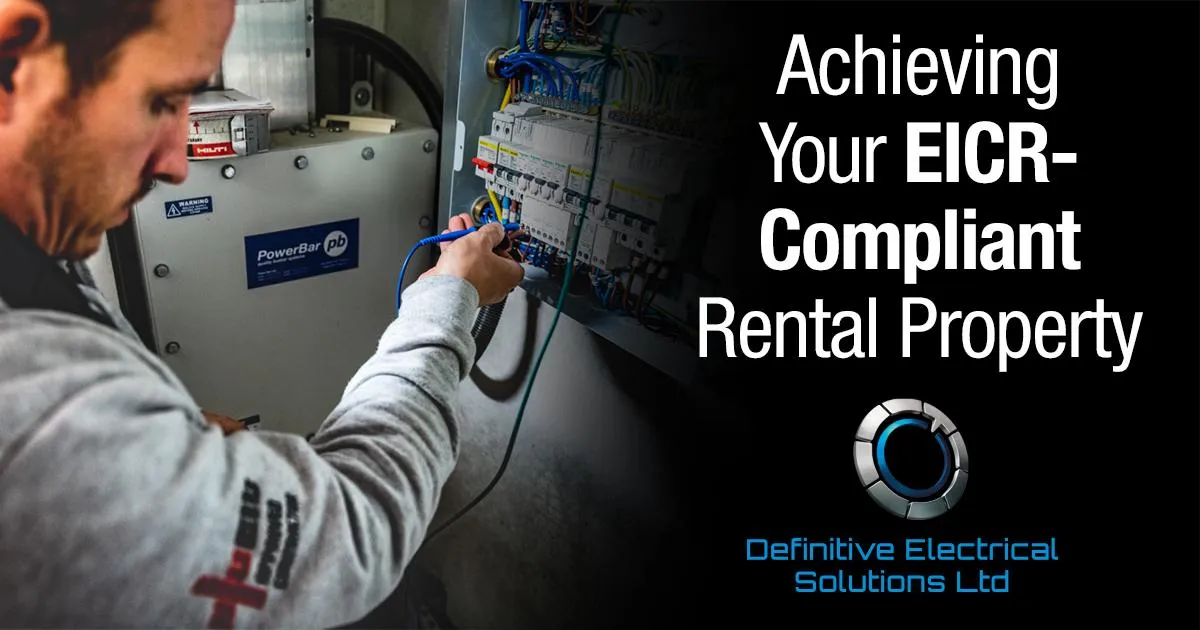
Electrical Installation Condition Reports (EICRs) play a vital role in ensuring safety compliance. These reports assess the condition of electrical installations and identify any issues that may pose safety risks. Regular inspections and obtaining "EICRs" are essential for maintaining a safe living environment.
3.2) Understanding UK Electrical Safety Regulations for Homes
In the UK, electrical safety regulations are designed to protect homeowners and ensure safe electrical practices. Key regulations include:
- The IET Wiring Regulations (BS 7671): These regulations set the standards for electrical installations in homes.
- The Electrical Safety Standards in the Private Rented Sector (England) Regulations 2020: These regulations require landlords to ensure electrical installations are safe and regularly inspected.
Familiarity with these regulations helps homeowners understand their rights and responsibilities regarding electrical safety.
Back to top4) How to Choose a Certified Local Domestic Electrician Near You?
Selecting a certified local electrician is crucial for ensuring quality and safety in electrical installations. Knowing what to look for can simplify the process and lead to better outcomes.
4.1) Qualities and Certifications to Look for in Electricians
When choosing an electrician, consider the following qualities and certifications:
- Qualifications: Look for electricians who are qualified and hold relevant certifications, such as City & Guilds or NICEIC registration.
- Experience: An electrician with extensive experience in residential installations is more likely to provide quality service.
- Reputation: Check reviews and testimonials to gauge the electrician's reputation in the community.
These factors can help ensure that you hire a qualified professional for your electrical needs.
4.2) Benefits of Hiring Certified Electricians for Your Home
Hiring certified electricians offers several advantages, including:
- Safety Assurance: Certified electricians adhere to safety standards, reducing the risk of electrical hazards.
- Quality Workmanship: Professionals are more likely to deliver high-quality installations that meet regulatory requirements.
- Peace of Mind: Knowing that a qualified expert is handling your electrical needs provides reassurance and confidence.
These benefits highlight the importance of hiring certified professionals for electrical installations.
Back to top5) What Maintenance and Safety Checks Should Follow Installation?
After installation, regular maintenance and safety checks are essential to ensure the continued safety and efficiency of electrical systems. Understanding what checks are necessary can help homeowners maintain their systems effectively.
5.1) Routine Electrical Safety Inspections for Residential Properties
Routine electrical safety inspections should be conducted at least every five years or when significant changes are made to the electrical system. These inspections help identify potential issues before they become serious problems, ensuring the safety of the home.
To ensure your home's electrical system is safe, it's important to understand electrical safety and compliance.
5.2) Upgrading and Maintaining Home Electrical Systems Safely
Upgrading and maintaining electrical systems safely involves:
- Regular Testing: Conducting regular tests on circuit breakers and safety switches to ensure they function correctly.
- Updating Wiring: Replacing outdated wiring to prevent hazards and improve efficiency.
- Professional Assistance: Always seeking professional help for upgrades and maintenance to ensure compliance with safety standards.
These practices are vital for maintaining a safe and efficient electrical system in your home.
For rental properties, understanding EICR requirements is crucial for landlords to ensure tenant safety and legal compliance.
Back to top- Log in to post comments